Marine Biodiversity Science Center

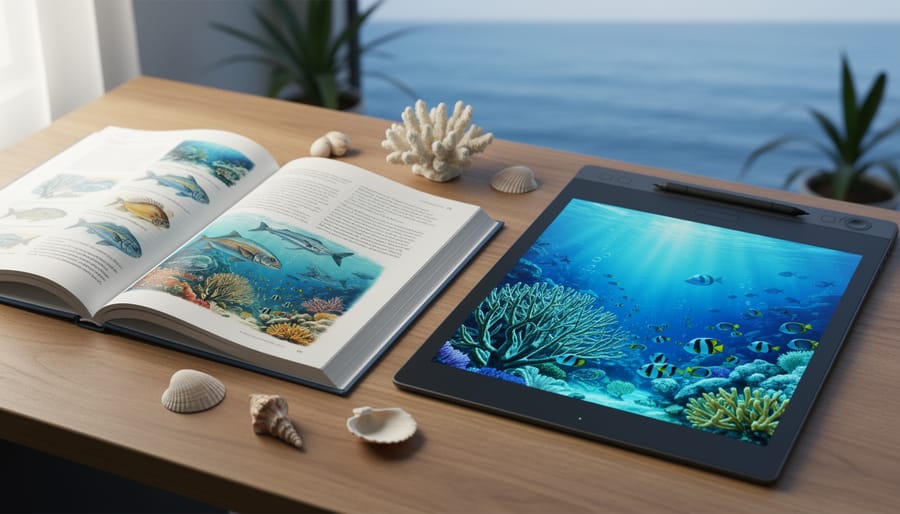
The ocean covers 71% of our planet’s surface, yet we’ve explored less than 5% of its depths—a sobering reminder that Earth’s final frontier isn’t in space, but beneath the waves. Oceanography: An Invitation to Marine Science, 10th Edition, serves as your gateway to understanding these mysterious waters, bridging rigorous scientific knowledge with the urgent conservation challenges facing our marine ecosystems today.
This comprehensive textbook transforms complex oceanographic principles into accessible insights that matter for everyone—from aspiring marine biologists charting their career paths to digital creators seeking authentic scientific inspiration for conservation storytelling. The 10th edition addresses critical contemporary issues: rising ocean temperatures, acidification, plastic pollution, and biodiversity loss, while providing the foundational knowledge needed to develop innovative solutions.
What makes this resource particularly valuable is its practical application beyond the classroom. Marine conservationist Dr. Elena Martinez shares how the textbook’s ecosystem approach shaped her volunteer work with coral restoration projects: “Understanding ocean circulation patterns and nutrient cycles wasn’t just academic—it gave me the scientific framework to explain why specific reefs were declining and how community action could reverse the damage.”
Whether you’re an educator designing multimedia ocean literacy programs, a student exploring marine careers, or a conservation advocate seeking credible data to support your campaigns, this edition equips you with both scientific authority and the communication tools to inspire meaningful environmental action.
The Visual Language of Ocean Science
From Scientific Illustration to Digital Canvas
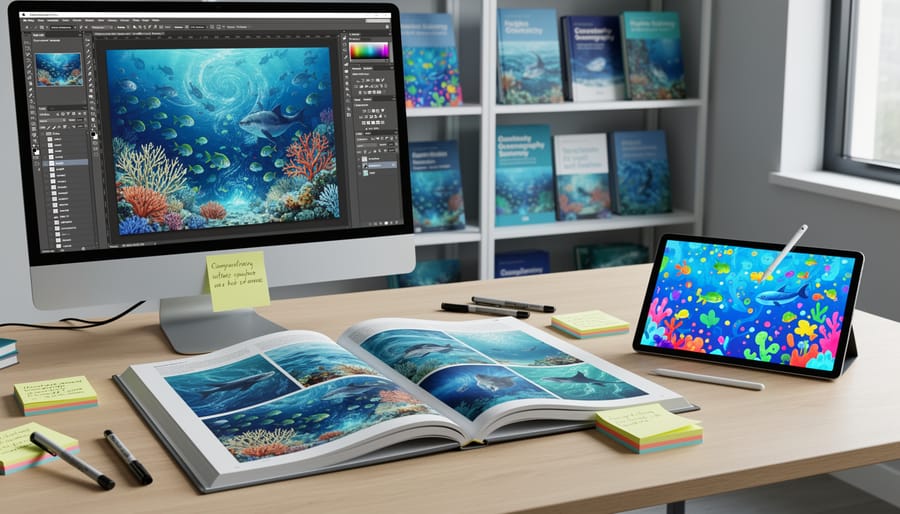
For decades, oceanography textbooks have served as visual archives of marine discovery, translating complex underwater ecosystems into accessible imagery. The 10th edition of “Oceanography: An Invitation to Marine Science” continues this tradition, featuring detailed illustrations, satellite imagery, bathymetric maps, and microscopic photography that reveal ocean processes invisible to casual observation. These scientific visualizations—from cross-sections of ocean zones to diagrams of ocean currents—have quietly influenced generations of marine scientists and artists alike.
Today, these educational illustrations find new life in digital formats. Graphic designers draw inspiration from textbook diagrams of phytoplankton blooms for environmental campaigns. 3D animators recreate hydrothermal vent ecosystems depicted in chapter illustrations for documentary films. Data visualization specialists transform oceanographic charts into interactive web experiences that make sea-level rise tangible for coastal communities.
Marine biologist Dr. Elena Rodriguez recalls how textbook imagery first sparked her interest in translating ocean science into digital art. “Those cross-sectional diagrams showing light penetration through ocean layers became the foundation for my conservation animations,” she explains. “Scientific accuracy combined with visual appeal helps people emotionally connect with issues like coral bleaching.”
This evolution from printed page to digital canvas democratizes marine science communication. Educators now integrate textbook concepts with virtual reality experiences, while conservation organizations use scientifically-grounded digital art to engage supporters worldwide. The precision required in scientific illustration translates seamlessly to digital media, where accuracy remains paramount while creative possibilities expand exponentially.
Data Becomes Art: Oceanographic Patterns in Digital Media
Ocean data transforms into captivating visual art when scientists and digital artists collaborate to interpret the patterns hidden within oceanographic datasets. The 10th edition of Oceanography: An Invitation to Marine Science provides rich source material through its detailed current maps, temperature gradients, and biodiversity distributions that artists can translate into stunning digital compositions.
Contemporary digital artists use sea surface temperature data to create color-gradient artworks that reveal thermal patterns across ocean basins. Current flow diagrams inspire animated pieces showing the graceful circulation of gyres and thermohaline currents. Biodiversity heat maps become abstract representations of life’s distribution across marine ecosystems, with color intensity reflecting species richness.
This approach to marine science visualization serves dual purposes: creating aesthetically compelling works while communicating complex scientific concepts to broader audiences. Marine biologist Dr. Sarah Chen notes, “When we visualize oceanographic data artistically, people connect emotionally with information they might otherwise find overwhelming.”
Educators increasingly incorporate these data-driven artworks into classrooms, helping students appreciate ocean patterns while developing data literacy skills. For those interested in contributing, many marine research centers welcome volunteers to help transform research datasets into accessible visual formats that support conservation messaging.
Marine-Inspired Multimedia: Bridging Education and Creativity
Interactive Ocean Experiences and Virtual Reality
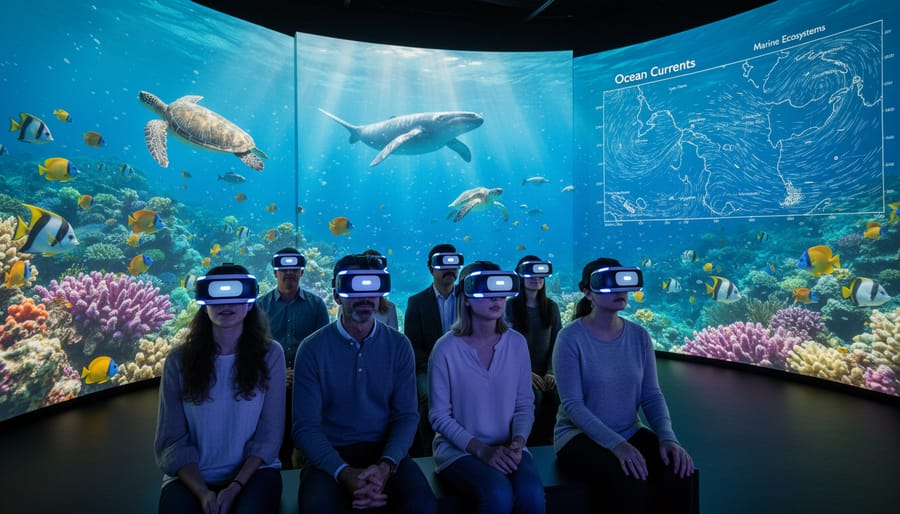
Virtual reality technology has revolutionized how we experience Earth’s oceans, transforming textbook oceanography into immersive adventures that anyone can access from anywhere. These digital tools translate the scientific principles found in comprehensive marine science resources into three-dimensional environments where users can explore coral reefs, dive alongside marine mammals, or witness deep-sea hydrothermal vents up close.
Dr. Sarah Chen, a marine educator who helped develop VR content for aquariums, shares her perspective: “When students put on a VR headset and find themselves swimming through a kelp forest, understanding concepts like photosynthesis zones and marine biodiversity becomes intuitive rather than abstract. They’re experiencing the science, not just reading about it.”
Interactive ocean experiences now incorporate real oceanographic data, allowing users to visualize ocean currents, temperature gradients, and pH changes. Some platforms even simulate the impacts of climate change on marine ecosystems, making conservation challenges tangible and urgent. Educational institutions worldwide use these tools to supplement traditional learning, while museums and aquariums offer VR stations that complement physical exhibits.
For those interested in creating these experiences, numerous volunteer opportunities exist with marine conservation organizations developing educational VR content. These programs welcome digital artists, programmers, and storytellers who want to contribute their skills to ocean advocacy. By combining cutting-edge technology with sound oceanographic principles, virtual reality creates powerful connections between people and marine environments, inspiring the next generation of ocean stewards and demonstrating that understanding our oceans no longer requires expensive equipment or coastal access.
Social Media and Digital Storytelling for Marine Conservation
Digital platforms have revolutionized how marine scientists and artists collaborate to reach global audiences with urgent ocean conservation messages. By grounding their work in the scientific accuracy found in comprehensive oceanography resources, digital storytellers create content that educates while inspiring action. Instagram accounts dedicated to marine life combine stunning underwater photography with bite-sized facts about ocean acidification, coral bleaching, and plastic pollution. These posts translate complex data from oceanographic studies into visual narratives that resonate with diverse audiences.
Marine biologist Dr. Ayana Elizabeth Johnson exemplifies this approach, using Twitter and podcasts to share both research findings and personal reflections about ocean policy. Her storytelling demonstrates how scientists can bridge the gap between peer-reviewed journals and public understanding. Similarly, organizations like The Ocean Agency produce documentary content and interactive experiences that pair rigorous scientific data with emotional conservation stories, reaching millions of viewers worldwide.
YouTube channels dedicated to marine conservation offer virtual dive experiences, explaining ecosystem dynamics while showcasing biodiversity. TikTok creators distill oceanographic concepts into engaging 60-second videos, making marine science accessible to younger generations. These platforms allow for real-time engagement, where audiences ask questions and participate in citizen science initiatives.
For those interested in contributing, volunteer opportunities abound in digital conservation storytelling. Many nonprofits seek content creators, graphic designers, and social media managers to help translate scientific research into compelling campaigns. By combining oceanographic knowledge with creative digital skills, anyone can become part of a growing movement using technology to protect our oceans and inspire meaningful environmental action.
Personal Stories: Marine Biologists and Digital Artists Collaborate
A Marine Biologist’s Journey into Digital Animation
Dr. Maya Chen never imagined her doctoral research on bioluminescent jellyfish would lead to a second career in animation. “I was giving the same lecture about deep-sea ecosystems for the third time that semester when I realized my students were struggling to visualize what I described,” she recalls. That frustration sparked her journey into digital animation.
Drawing from principles outlined in oceanography textbooks, Maya began teaching herself animation software during evenings. Her first project was a simple 30-second clip showing how thermocline layers stratify ocean temperatures. “I used actual data from my research cruises and translated the numbers into visual movement,” she explains. The response from her students was immediate and enthusiastic.
Today, Maya creates educational animations for marine research institutions and conservation organizations. Her work ranges from explaining ocean acidification processes to recreating the hunting strategies of deep-sea predators. Each project begins with rigorous scientific research, ensuring accuracy while maintaining visual appeal.
The oceanographic knowledge from her academic training proves invaluable. “Understanding water density, light penetration, and organism behavior helps me create animations that are both beautiful and scientifically accurate,” Maya notes. She particularly enjoys animating phenomena that humans rarely witness firsthand, like hydrothermal vent ecosystems or the vertical migration of zooplankton.
For aspiring science communicators, Maya emphasizes starting simple. “You don’t need expensive software initially. Focus on understanding the science deeply first, then find creative ways to share that knowledge visually.”
Community Projects: How You Can Contribute
The intersection of marine science education and digital creativity opens exciting pathways for meaningful contribution. Whether you’re a digital artist, designer, or simply passionate about ocean conservation, numerous collaborative projects welcome your skills and enthusiasm.
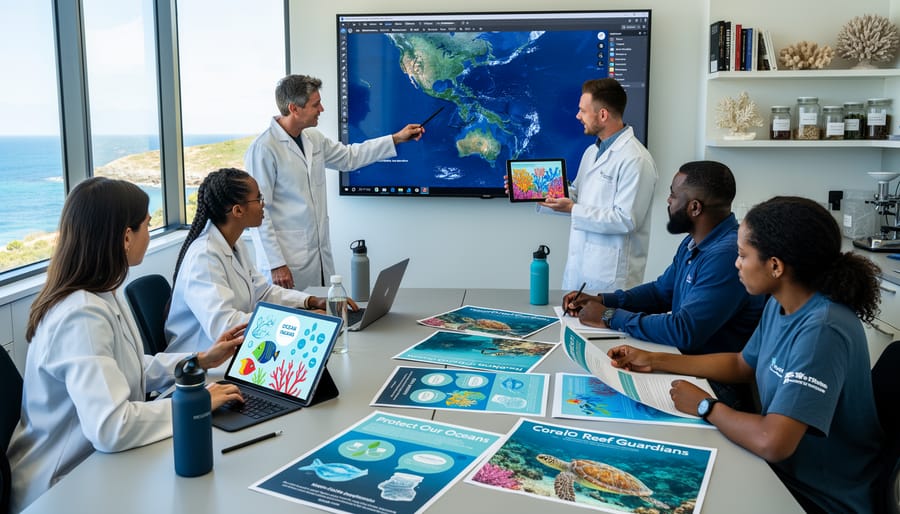
Citizen science initiatives like Floating Forests and Plankton Portal allow you to analyze real oceanographic data while creating visual representations of your findings. These projects need volunteers who can transform complex datasets into infographics, animations, and interactive visualizations that make marine science accessible to broader audiences. Your creative interpretations help scientists communicate their research to policymakers and the public.
Marine conservation organizations actively seek digital content creators for their educational campaigns. You might develop animated explainers about ocean acidification, design social media graphics highlighting endangered species, or produce short documentary-style videos featuring marine biologists in the field. Organizations like The Ocean Conservancy and local aquariums regularly post volunteer opportunities for multimedia projects.
Virtual reef mapping projects combine photogrammetry skills with marine biology. Volunteers learn to process underwater imagery into 3D models that track coral health over time. These digital reconstructions become valuable scientific records while serving as stunning artistic representations of threatened ecosystems.
Educational platforms need volunteers to develop interactive learning modules based on oceanography textbooks. If you have web design or animation skills, you can help create engaging supplementary materials that bring static textbook concepts to life through interactive diagrams, virtual lab simulations, or augmented reality experiences.
Start by identifying projects matching your skill level. Many initiatives offer training, pairing newcomers with experienced mentors who understand both marine science and digital creation.
Practical Applications: Using Ocean Science Knowledge in Your Digital Work
Essential Concepts from Oceanography for Digital Creators
Creating authentic marine-inspired digital art requires understanding the ocean’s foundational structure. The ocean is divided into distinct vertical zones, each supporting unique life forms. The sunlit epipelagic zone (0-200 meters) bursts with color and activity, where phytoplankton creates the foundation of marine food webs and vibrant fish species thrive. Below, the twilight zone gradually darkens, inhabited by bioluminescent creatures that have inspired countless digital designs.
Understanding marine ecosystems transforms generic ocean scenes into scientifically grounded artwork. Coral reefs, often called rainforests of the sea, support approximately 25% of all marine species despite covering less than 1% of the ocean floor. These biodiversity hotspots showcase intricate relationships between organisms, from cleaner fish servicing larger species to symbiotic partnerships between corals and algae.
Marine biologist Dr. Sarah Chen shares how accurate ecosystem representation in digital media impacts conservation: “When artists depict kelp forests correctly, showing their vertical structure and the species that depend on them, viewers develop deeper connections to these threatened habitats. This authenticity drives real-world protection efforts.”
Digital creators can enhance their work by studying species distribution patterns, understanding how temperature and light influence marine life, and recognizing seasonal migrations. Even simple details like accurate coloration, proper anatomical features, and realistic behavior patterns elevate artwork from decorative to educational. This scientific foundation doesn’t limit creativity; rather, it provides a rich palette of authentic elements that can inspire conservation awareness and action through compelling visual storytelling.
Tools and Resources for Marine-Inspired Digital Projects
Creating scientifically accurate marine-inspired digital projects requires the right combination of resources. Several specialized tools bridge the gap between oceanographic science and artistic expression, making it easier to transform concepts from comprehensive textbooks into engaging visual narratives.
For accessing authentic marine data, Ocean Biodiversity Information System (OBIS) provides free, open-access species distribution records used by scientists worldwide. NASA’s Ocean Color Web offers satellite imagery and data visualization tools that reveal phytoplankton blooms and ocean productivity patterns. These databases ensure your digital work reflects real-world conditions rather than imagination alone.
Software options vary by creative focus. Blender, a free 3D modeling program, excels at creating anatomically correct marine organisms when combined with scientific references. Adobe Creative Suite remains the industry standard for digital illustration and video editing, while CorelDRAW offers affordable alternatives. For interactive educational content, Unity game engine enables immersive underwater environments that teach conservation principles through engagement.
Educational platforms like the Ocean Literacy Framework provide guidelines for communicating marine science effectively. The Schmidt Ocean Institute offers free educational webinars featuring marine biologists who share both research findings and communication strategies. Marine biologist Dr. Ayana Elizabeth Johnson emphasizes that combining scientific accuracy with compelling storytelling amplifies conservation messages far beyond traditional academic circles.
Many institutions welcome volunteers for digital media projects, offering opportunities to collaborate directly with researchers while developing portfolios that serve conservation goals. This partnership between science and creativity strengthens public understanding of our ocean’s challenges and solutions.
The Conservation Impact of Marine Digital Arts
Digital art has emerged as a powerful catalyst for marine conservation, transforming how millions of people connect with ocean ecosystems. When marine biologist Dr. Sarah Chen created a series of digital illustrations depicting endangered sea turtles, her work reached over 2 million social media users within weeks, generating unprecedented donations for protection programs. This exemplifies how visually compelling content drives conservation action by making distant marine issues feel immediate and personal.
Research demonstrates that emotionally engaging digital content increases conservation behavior by up to 40% compared to traditional text-based education. Marine-inspired artwork serves as a bridge between complex scientific data and public understanding, translating concepts like ocean acidification or coral bleaching into accessible visual narratives. Digital platforms enable artists to collaborate directly with marine scientists, ensuring accuracy while maintaining artistic impact.
The economic benefits are substantial. Conservation organizations report that campaigns featuring original marine digital art generate 3-5 times more engagement and fundraising success than stock photography. These funds directly support endangered species recovery programs, habitat restoration projects, and community-based conservation initiatives in coastal regions worldwide.
Young artists are increasingly volunteering their digital skills to marine conservation centers, creating infographics, animated explainer videos, and virtual reality experiences. These volunteer opportunities not only amplify conservation messages but also inspire the next generation of ocean advocates. One particularly successful initiative paired design students with field researchers, producing educational materials that reached 500,000 students across underserved communities.
The democratization of digital art tools means anyone with passion and creativity can contribute to marine conservation storytelling. Whether through photography, illustration, animation, or interactive media, digital artists play an essential role in building the public support necessary for protecting our oceans. Every share, like, and comment extends the reach of conservation messages, creating ripples of awareness that translate into meaningful environmental action.
The marriage of oceanographic science and digital arts represents one of the most promising frontiers in marine conservation today. As we’ve explored throughout this discussion of oceanography education and creative expression, the knowledge contained within comprehensive resources like Oceanography: An Invitation to Marine Science provides the foundation for powerful visual storytelling that can transform public engagement with our oceans.
When marine biologist Dr. Sarah Chen first combined her research on coral reef ecosystems with digital visualization techniques, she discovered something remarkable: people who viewed her scientifically accurate animations were three times more likely to support conservation initiatives than those who only read traditional reports. This powerful synergy between education and art isn’t just theoretical—it’s a proven pathway to meaningful action.
The ocean faces unprecedented challenges, from climate change to plastic pollution, but solutions emerge when passionate individuals unite scientific understanding with creative communication. Whether you’re a student discovering marine science for the first time, an educator seeking innovative teaching methods, or an artist wanting to contribute to conservation, your unique perspective matters.
We invite you to join this movement. Our center offers volunteer opportunities for digital artists, photographers, and communicators to collaborate with marine scientists on projects that make a real difference. Together, we can create content that educates, inspires, and mobilizes communities worldwide to protect our blue planet. The ocean’s story needs your voice—let’s amplify it together through the transformative combination of rigorous science and creative vision.

jessica
Ava Singh is an environmental writer and marine sustainability advocate with a deep commitment to protecting the world's oceans and coastal communities. With a background in environmental policy and a passion for storytelling, Ava brings complex topics to life through clear, engaging content that educates and empowers readers. At the Marine Biodiversity & Sustainability Learning Center, Ava focuses on sharing impactful stories about community engagement, policy innovations, and conservation strategies. Her writing bridges the gap between science and the public, encouraging people to take part in preserving marine biodiversity. When she’s not writing, Ava collaborates with local initiatives to promote eco-conscious living and sustainable development, ensuring her work makes a difference both on the page and in the real world.