Marine Biodiversity Science Center

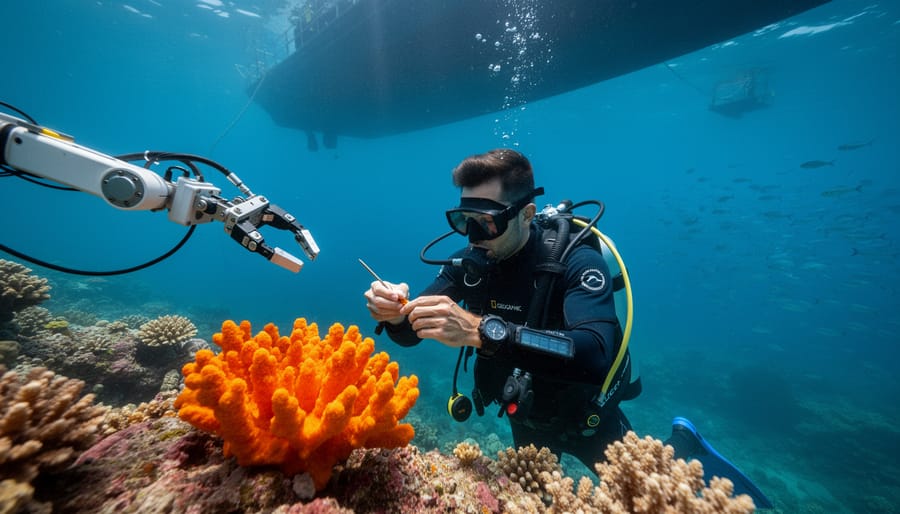
Beneath the ocean’s surface lies a vast pharmaceutical frontier where marine organisms produce some of nature’s most remarkable compounds—substances that are already revolutionizing medicine, agriculture, and sustainable industry. Marine biotechnology harnesses these genetic resources to develop breakthrough cancer treatments, create biodegradable plastics, and engineer drought-resistant crops that could feed millions. Yet as researchers race to unlock these biological treasures, a pressing question emerges: can we access these benefits without depleting the very ecosystems that produce them?
The promise is extraordinary. Marine sponges yield compounds that fight leukemia and breast cancer. Algae provide omega-3 fatty acids and biofuels that reduce our dependence on fossil fuels. Extremophile bacteria from deep-sea vents produce enzymes that power COVID-19 diagnostic tests. These discoveries represent just a fraction of potential applications, with scientists estimating that less than 1% of marine species have been thoroughly studied for biotechnology applications.
However, bioprospecting—the search for commercially valuable genetic and biochemical resources—raises critical concerns about ecosystem disruption and equitable benefit-sharing. When companies harvest marine organisms for research, what happens to biodiversity in those collection sites? Who profits from discoveries made in international waters? How do we ensure coastal communities and developing nations share in the economic benefits derived from their marine territories?
The intersection of innovation and conservation demands careful navigation. Understanding both the transformative potential of marine biotechnology and its ecological implications allows us to make informed decisions about ocean conservation efforts that protect biodiversity while advancing scientific progress. This article explores how sustainable bioprospecting practices, international governance frameworks, and community-based conservation models can help us unlock the ocean’s biotechnological wealth responsibly—ensuring that today’s discoveries don’t compromise tomorrow’s marine ecosystems.
The Remarkable Benefits Marine Biotechnology Offers
Medical Breakthroughs from the Deep
The ocean’s depths harbor extraordinary pharmaceutical potential, with marine organisms producing some of medicine’s most promising compounds. These discoveries aren’t just laboratory curiosities—they’re saving lives today and offering hope for tomorrow’s health challenges.
Consider Yondelis, an anti-cancer drug derived from a Caribbean sea squirt. This compound, now synthetically produced to protect wild populations, treats soft tissue sarcomas and ovarian cancer by binding to DNA in a unique way that stops tumor cells from dividing. What makes this particularly remarkable is that scientists would never have predicted this mechanism—the sea squirt evolved it over millions of years for its own defense against predators.
The cone snail, a beautiful but deadly predator, has given us Prialt, a pain medication 1,000 times more powerful than morphine. Dr. Maria Santos, a marine biologist who has studied cone snails for two decades, explains: “These snails produce venom cocktails containing hundreds of compounds. We’ve barely scratched the surface—each species potentially holds dozens of medical applications.” Unlike traditional opioids, Prialt doesn’t create dependency, offering new hope for chronic pain sufferers.
Marine bacteria are revolutionizing antibiotic development at a critical time. With antibiotic resistance threatening modern medicine, compounds from deep-sea microorganisms show promise against drug-resistant infections. These bacteria, thriving in extreme conditions, produce unique chemical defenses we’re only beginning to understand.
The cytarabine story illustrates this field’s potential beautifully. Originally isolated from a Caribbean sponge, this leukemia treatment has saved countless lives since the 1960s. Today’s challenge involves sourcing these discoveries sustainably—often through aquaculture or synthetic production—ensuring we can harvest ocean wisdom without depleting the ecosystems that inspire these breakthroughs. Volunteer opportunities in marine research stations allow citizen scientists to contribute to ongoing bioprospecting efforts, helping catalog biodiversity that may hold tomorrow’s cures.
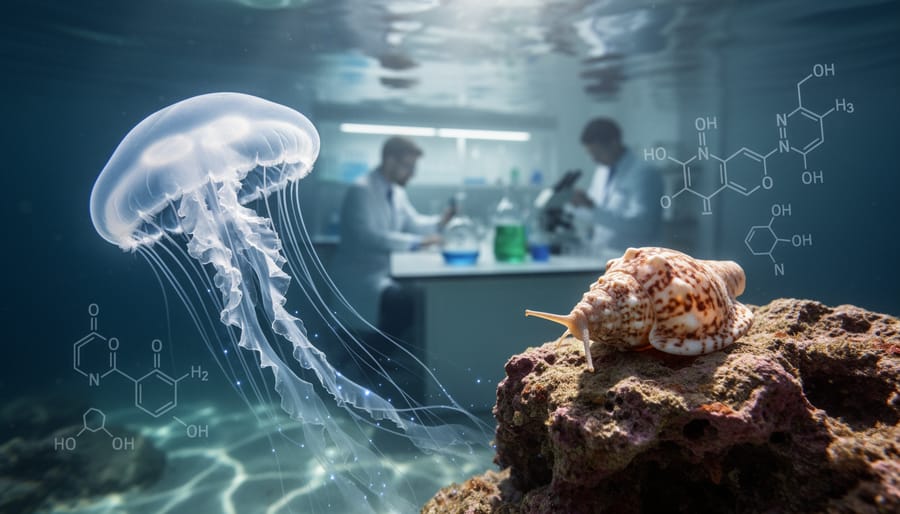
Sustainable Solutions for Industry and Environment
Marine biotechnology is revolutionizing how we approach industrial sustainability and environmental challenges. The ocean’s extraordinary biodiversity offers solutions that could reshape manufacturing, energy production, and pollution management while protecting our planet’s future.
Consider biomaterials derived from marine organisms. Chitin from crustacean shells is being transformed into biodegradable packaging alternatives, while compounds from seaweed are creating plant-based plastics. These innovations reduce our dependence on petroleum-based products and address the global plastic crisis threatening marine ecosystems.
Biofuels represent another promising frontier. Microalgae can produce oils for biodiesel while absorbing carbon dioxide at rates far exceeding terrestrial plants. Some species double their biomass within hours, making them incredibly efficient renewable energy sources. Marine biologist Dr. Chen Martinez shares her excitement: “Working with algae feels like unlocking nature’s blueprint for sustainability. These tiny organisms could help us transition away from fossil fuels while actually cleaning our atmosphere.”
Industrial enzymes from marine bacteria are transforming manufacturing processes. These remarkable proteins function in extreme conditions, requiring less energy and producing fewer toxic byproducts than traditional chemical methods. They’re currently used in detergents, textile production, and food processing.
Bioremediation applications harness marine microorganisms to clean oil spills and break down pollutants, offering nature-based solutions to environmental disasters. Meanwhile, researchers are exploring how marine systems can contribute to carbon sequestration strategies, potentially mitigating climate change impacts.
These sustainable solutions demonstrate that economic development and environmental protection aren’t opposing forces—marine biotechnology proves they can work hand in hand.
Food Security and Nutritional Innovations
As our global population approaches 10 billion by 2050, marine biotechnology offers promising solutions to address food security challenges while reducing pressure on wild fish populations. Through innovative aquaculture techniques, scientists are developing disease-resistant fish and shellfish strains that grow more efficiently, requiring fewer resources and producing less waste. These advances make sustainable seafood farming more accessible to communities worldwide.
One particularly exciting development is the production of omega-3 fatty acids from marine microalgae. Dr. Sarah Chen, a marine biotechnologist I spoke with last year, explains that cultivating these tiny organisms eliminates the need to harvest wild fish for omega-3 supplements. “We’re essentially going straight to the source,” she shared enthusiastically. “The same organisms that fish eat to build their omega-3 stores can be grown in controlled environments, providing pure, sustainable nutrition.”
Marine biotechnology is also pioneering alternative protein sources that could transform our food systems. Researchers are developing nutritious products from seaweed, microalgae, and other marine organisms that require minimal freshwater, land, or fertilizers compared to traditional agriculture. These innovations offer hope for coastal communities seeking economic opportunities while protecting ocean ecosystems.
Volunteer opportunities exist for citizen scientists to support marine aquaculture research, from monitoring water quality at research facilities to participating in seaweed farming initiatives. By contributing to these efforts, we can help ensure that marine biotechnology fulfills its potential to feed humanity sustainably while preserving the ocean biodiversity that makes these innovations possible.
How Bioprospecting Impacts Marine Genetic Resources
What Bioprospecting Really Means for Our Oceans
Bioprospecting is the scientific exploration of our oceans to discover marine organisms with unique chemical compounds and genetic properties that could benefit humanity. Think of it as a treasure hunt, where researchers search for natural solutions hidden within sea sponges, algae, bacteria, and other marine life that have evolved remarkable survival strategies over millions of years.
Marine scientists conduct bioprospecting through carefully planned research expeditions, collecting small samples from diverse ocean environments ranging from coral reefs to hydrothermal vents. These samples undergo laboratory analysis to identify promising compounds with potential medical, industrial, or environmental applications. Dr. Maria Chen, a marine biotechnologist who has participated in five deep-sea expeditions, explains: “We’re essentially learning from nature’s pharmacy. Marine organisms produce chemicals to defend themselves, communicate, or survive in extreme conditions, and these same compounds might help us treat diseases or develop sustainable materials.”
Recent bioprospecting expeditions have targeted Antarctic ice-dwelling bacteria for cold-resistant enzymes used in biotechnology, deep-sea sponges containing anti-cancer compounds, and coral-associated microbes producing antibiotics. One remarkable discovery involves cone snails, whose venom has led to powerful pain medications now helping chronic pain patients worldwide.
For those passionate about supporting this research, volunteer opportunities exist through citizen science programs that help catalog marine biodiversity. These programs allow participants to contribute valuable data while learning directly from marine biologists about the incredible potential locked within our ocean’s genetic resources.
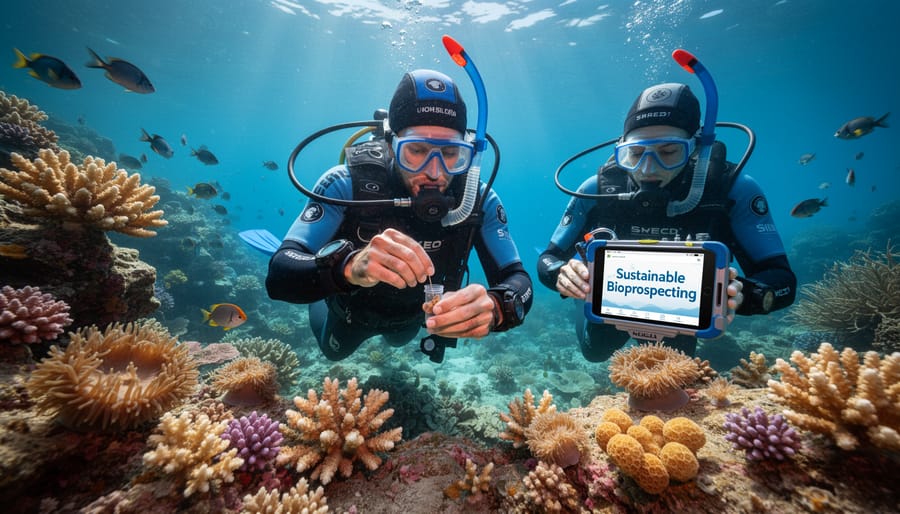
The Pressure on Marine Biodiversity
The promise of marine biotechnology brings with it important responsibilities regarding ocean conservation. As researchers increasingly explore ocean depths for valuable genetic resources, we must thoughtfully consider the potential impacts on marine biodiversity.
Overharvesting remains a primary concern, particularly when species prove commercially valuable. Deep-sea organisms that grow slowly and reproduce infrequently are especially vulnerable. Dr. Maria Chen, a marine biologist who has studied sponge communities for fifteen years, notes that removing even small quantities from sensitive habitats can disrupt delicate ecological relationships that took centuries to establish.
The collection process itself can disturb surrounding ecosystems. Equipment used for sampling may damage coral structures, seafloor habitats, or accidentally capture non-target species. Rare organisms face particular challenges, as their limited populations make them simultaneously attractive for research and vulnerable to decline.
Balancing commercial interests with conservation needs requires careful navigation. Pharmaceutical companies and biotechnology firms need sufficient biological material for research and development, yet sustainable extraction limits must be respected. This tension has sparked productive dialogue between industry stakeholders and conservation groups, leading to improved collection protocols and benefit-sharing agreements.
Encouragingly, many organizations now offer volunteer opportunities in marine monitoring programs, helping scientists track populations of harvested species. These collaborative efforts between researchers, industry representatives, and citizen scientists demonstrate how thoughtful management can protect ocean resources while advancing beneficial discoveries. The key lies in prioritizing long-term ecosystem health alongside innovation.
Economic Equity and the Genetic Resources Question
Marine biotechnology’s promise of economic growth raises crucial questions about who benefits from genetic resources found in international waters and coastal zones. The issue of biopiracy—when companies or researchers from wealthy nations extract genetic materials without fairly compensating source countries—has sparked significant debate within marine conservation communities.
Many developing nations possess extraordinarily biodiverse coastlines yet lack the infrastructure to conduct advanced biotechnological research themselves. When valuable compounds are discovered in their waters and later patented by foreign entities, these countries often receive minimal compensation despite being the resource’s custodians. Marine biologist Dr. Sofia Ramirez, who works with coastal communities in the Philippines, shares: “I’ve witnessed local fishers who’ve known about the healing properties of certain marine organisms for generations, only to see multinational corporations profit from that traditional knowledge without acknowledgment.”
The Nagoya Protocol on Access and Benefit-Sharing attempts to address these inequities by establishing frameworks for fair compensation, though enforcement remains challenging in marine environments. Creating transparent benefit-sharing systems isn’t just ethically imperative—it ensures that conservation efforts receive proper funding and that local communities become active stakeholders in protecting their marine resources. Supporting organizations that advocate for equitable marine policies and participating in citizen science initiatives helps build more just systems for the future.
Building a Sustainable Framework for Marine Biotechnology
Legal Protections Making a Difference
The good news is that legal frameworks are evolving to protect marine biodiversity while ensuring fair sharing of benefits from bioprospecting. At the heart of these protections is the Nagoya Protocol, an international agreement adopted in 2010 that builds on the Convention on Biological Diversity (CBD). Think of it as a global rulebook ensuring that when companies discover valuable genetic resources from the ocean, the countries where those resources originated receive fair compensation and recognition.
The Nagoya Protocol operates on a simple principle: access and benefit-sharing. Before researchers can collect marine samples from a country’s waters, they must obtain permission and negotiate how any resulting profits or discoveries will be shared. This prevents the exploitation that occurred in earlier decades, when pharmaceutical companies sometimes patented marine-derived compounds without compensating source nations.
Several countries have implemented strong national regulations following this framework. The Philippines, for instance, has created comprehensive bioprospecting laws requiring research partnerships with local institutions and mandatory technology transfer agreements. Meanwhile, Australia’s system includes indigenous communities in decision-making processes about marine resources in their traditional waters.
One inspiring success story comes from Palau, where marine biologist Dr. Salome Arreola helped establish partnerships ensuring that coral-derived sunscreen compounds benefit local communities through education funding and conservation programs. These protections demonstrate that marine biotechnology can advance while respecting both nature and the people who have stewarded these ocean resources for generations.
Sustainable Bioprospecting Practices That Work
The future of marine biotechnology depends on implementing practices that balance scientific advancement with ocean conservation. Minimal-impact collection methods represent a crucial first step, where researchers harvest only small tissue samples or use non-lethal sampling techniques. Instead of collecting entire organisms, scientists can now obtain genetic material through environmental DNA sampling or by taking tiny biopsies that allow marine life to recover and thrive.
Synthetic biology offers transformative alternatives to continuous wild harvesting. Once researchers identify promising compounds, they can recreate them in laboratories using fermentation or cell culture techniques. This approach reduces pressure on wild populations while enabling large-scale production for medical and industrial applications.
Ex-situ cultivation, or aquaculture of marine organisms, provides another sustainable pathway. Scientists and communities can farm sponges, algae, and other species specifically for bioprospecting purposes, creating economic opportunities while protecting marine ecosystems from overexploitation.
Database sharing accelerates discovery while preventing redundant collection. International initiatives now catalog marine genetic resources, allowing researchers worldwide to access information without repeatedly sampling the same populations. Dr. Sarah Chen, a marine biologist working in coral reef systems, notes that collaborative databases have reduced her field collection needs by 60 percent.
Partnerships between research institutions and conservation organizations ensure ethical oversight. These collaborations establish collection limits, protect vulnerable species, and guarantee that benefits from discoveries are shared equitably with local communities. Many programs actively recruit volunteer citizen scientists to monitor collection sites, creating opportunities for public participation in sustainable bioprospecting efforts.
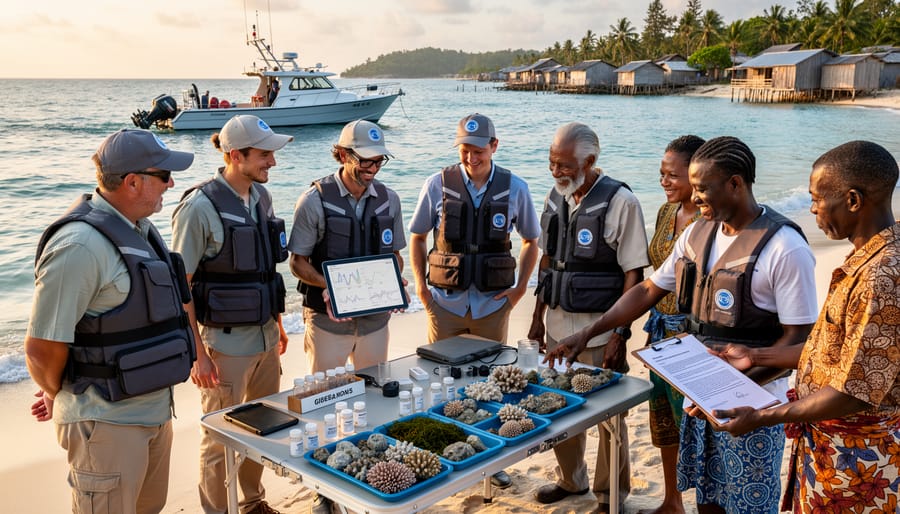
The Role of Science and Public Participation
The future of marine biotechnology depends on transparent research practices and meaningful public involvement. Open-access databases like the Ocean Biodiversity Information System allow researchers worldwide to share genetic discoveries and bioprospecting data, fostering collaboration while preventing redundant environmental sampling. This transparency ensures that marine conservation efforts benefit from the latest scientific findings and that communities can track how genetic resources from their waters are being utilized.
Citizen science programs offer exciting opportunities for everyone to contribute to marine biotechnology research. Volunteers can participate in coastal biodiversity surveys, water quality monitoring, and documentation of marine species, providing valuable data that supports bioprospecting prioritization and conservation planning. These initiatives connect people directly to ocean health while training the next generation of marine advocates.
Dr. Elena Martinez, a marine biologist specializing in coral reef genomics, shares her perspective: “When I began involving local communities in our sampling expeditions in the Caribbean, everything changed. Fishers identified species we’d overlooked, and their traditional ecological knowledge guided us to biodiversity hotspots we never would have found through conventional methods alone. Now, those same community members serve as guardians of our monitoring sites, ensuring sustainable collection practices and reporting illegal activities.”
Public engagement strengthens both scientific outcomes and conservation success. Marine conservation programs that incorporate community participation demonstrate higher compliance rates with sustainable bioprospecting guidelines and more effective protection of genetic resources. By participating in workshops, beach cleanups, and educational programs, individuals contribute directly to preserving the marine biodiversity that makes biotechnology innovation possible.
How You Can Support Responsible Marine Biotechnology
Volunteer and Educational Opportunities
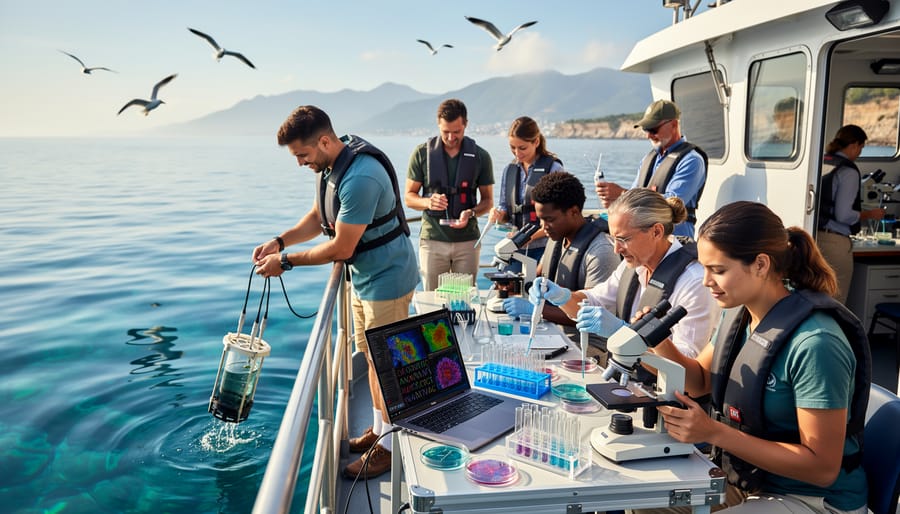
Getting involved in marine biotechnology and conservation has never been more accessible. Numerous organizations worldwide offer volunteer programs that connect passionate individuals with hands-on marine research opportunities. Citizen science initiatives, such as reef monitoring projects and marine biodiversity surveys, allow participants of all backgrounds to contribute valuable data while learning alongside experienced marine biologists. Many research institutions welcome volunteers to assist with laboratory work, sample collection, and data analysis, providing invaluable real-world experience.
For those seeking to deepen their knowledge, online platforms offer free courses on marine biology, genetics, and conservation science. Universities and marine research centers frequently host webinars featuring personal stories from marine biologists who share their discoveries and challenges in the field. These narratives not only educate but inspire the next generation of ocean advocates.
Staying informed is crucial to supporting sustainable marine biotechnology. Subscribe to marine conservation e-networks and newsletters that provide updates on breakthrough discoveries, policy developments, and ethical bioprospecting practices. Many organizations also offer opportunities to participate in public comment periods on marine resource management policies. By engaging with these resources and communities, you become part of a global movement working to ensure marine genetic resources benefit both humanity and ocean ecosystems for generations to come.
Advocacy and Consumer Choices
Each of us holds power to shape the future of marine biotechnology through our daily choices and voices. Start by making informed sustainable seafood choices that support fisheries practicing responsible harvesting methods. When purchasing products derived from marine organisms, research companies committed to ethical bioprospecting practices that prioritize ecosystem health and equitable benefit-sharing with coastal communities.
Advocacy matters tremendously. Contact your representatives to support policies protecting marine genetic resources and ensuring that bioprospecting activities follow strict environmental guidelines. Dr. Maria Santos, a marine geneticist, shares her approach: “I talk about ocean conservation wherever I go—at grocery stores, community centers, even family dinners. These conversations plant seeds that grow into action.”
Consider volunteering with marine conservation organizations monitoring bioprospecting activities or participating in citizen science projects documenting marine biodiversity. Share what you learn about marine biotechnology’s benefits and challenges through social media, conversations, and community presentations. Your knowledge amplifies the message that sustainable innovation and ocean protection can coexist, inspiring others to join this essential movement toward responsible stewardship of our ocean’s genetic treasures.
Marine biotechnology stands at a fascinating crossroads—offering extraordinary promise for medical breakthroughs, sustainable materials, and climate solutions while simultaneously presenting real risks to the genetic diversity we’re only beginning to understand. Throughout this exploration of ocean innovations, we’ve seen how compounds from marine organisms are revolutionizing cancer treatment, how enzymes from deep-sea microbes are advancing industrial processes, and how studying marine adaptations helps us address pressing environmental challenges. Yet we’ve also confronted uncomfortable truths about bioprospecting’s potential impacts: the threat of genetic erosion, concerns about equitable benefit-sharing, and the vulnerability of ecosystems facing extraction pressure.
The encouraging reality is that this doesn’t have to be an either-or situation. With robust international frameworks like the Nagoya Protocol, transparent research practices, and genuine commitment to equitable benefit-sharing, we can unlock the ocean’s biological treasures while safeguarding the very biodiversity that makes these discoveries possible. The key lies in our collective choices and actions.
As marine biologist Dr. Sylvia Earle reminds us, “No water, no life. No blue, no green.” Our oceans are not limitless resources to exploit but complex ecosystems requiring our stewardship. Each of us has a role in shaping how marine biotechnology develops. Support organizations working to establish sustainable bioprospecting guidelines. Stay informed about marine conservation policies and let your representatives know these issues matter. If you’re a student or researcher, consider careers that bridge biotechnology and conservation. For those passionate about hands-on involvement, numerous coastal monitoring and citizen science projects need volunteers to help track marine biodiversity.
The future of marine biotechnology doesn’t rest solely with scientists and policymakers—it depends on all of us. By engaging thoughtfully, demanding sustainability, and protecting marine ecosystems, we can ensure that tomorrow’s generations inherit oceans as rich and biodiverse as those that have sustained life for billions of years. The choice, and the responsibility, is ours to embrace.

jessica
Ava Singh is an environmental writer and marine sustainability advocate with a deep commitment to protecting the world's oceans and coastal communities. With a background in environmental policy and a passion for storytelling, Ava brings complex topics to life through clear, engaging content that educates and empowers readers. At the Marine Biodiversity & Sustainability Learning Center, Ava focuses on sharing impactful stories about community engagement, policy innovations, and conservation strategies. Her writing bridges the gap between science and the public, encouraging people to take part in preserving marine biodiversity. When she’s not writing, Ava collaborates with local initiatives to promote eco-conscious living and sustainable development, ensuring her work makes a difference both on the page and in the real world.