Marine Biodiversity Science Center

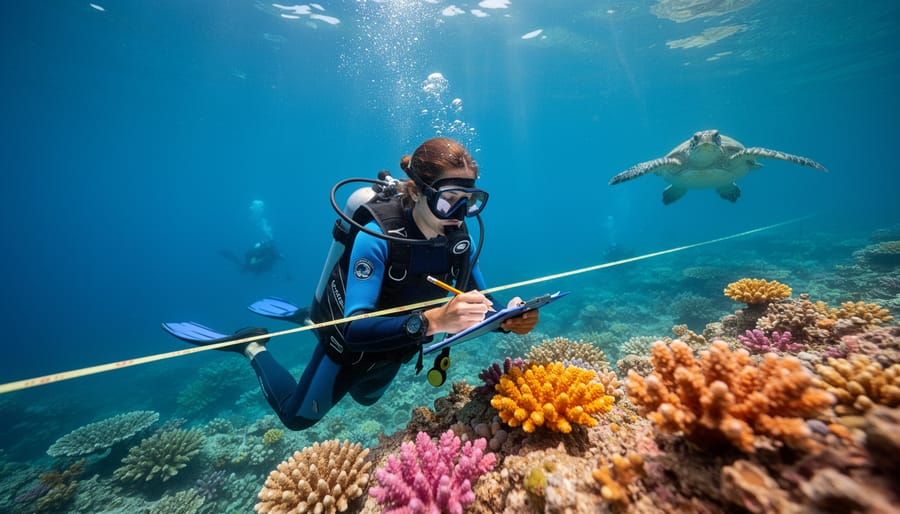
Ocean conservation internships transform passionate individuals into skilled marine advocates through hands-on fieldwork, research experience, and direct engagement with endangered ecosystems. These structured programs place you alongside established scientists monitoring coral reef health, tracking sea turtle populations, or analyzing microplastic contamination in coastal waters. Unlike casual volunteer experiences, internships provide professional mentorship, technical skill development, and career networking that directly opens doors to marine biology positions, policy roles, and conservation leadership.
The pathway begins by identifying your focus area. Marine mammal research internships might have you collecting behavioral data on dolphin pods in tropical waters. Habitat restoration programs could position you replanting seagrass beds or removing invasive species from kelp forests. Policy-focused opportunities place interns in government agencies or nonprofits, where you’ll contribute to marine protected area proposals or fisheries management plans. Each specialization builds distinct competencies that employers actively seek.
Successful applicants distinguish themselves through demonstrated commitment rather than perfect credentials. A semester of beach cleanup coordination shows initiative. Scuba certification demonstrates investment. Coursework in marine ecology or environmental science provides foundation, but field schools, citizen science participation, and even aquarium volunteering prove your dedication extends beyond classroom theory.
The investment yields measurable returns. Former interns report that three months of practical experience accelerates their career trajectory by years compared to academic preparation alone. You’ll return with species identification skills, data collection protocols, scientific diving hours, and professional references from researchers actively publishing in marine conservation. More importantly, you’ll gain clarity about which conservation challenges ignite your commitment and where your unique contributions can generate lasting ocean protection. The question isn’t whether these internships merit pursuit, but which opportunity aligns with the marine legacy you intend to build.
What Makes Ocean Conservation Internships Different from Traditional Learning
Ocean conservation internships offer something fundamentally different from what you’ll find in traditional classroom settings: the chance to witness marine ecosystems in real time, facing real challenges that demand immediate solutions. While textbooks and lectures provide essential foundational knowledge, nothing compares to the visceral experience of monitoring coral bleaching events as they unfold or tracking the recovery of endangered sea turtle populations.
The immersive nature of fieldwork creates a level of engagement that transforms learning from passive absorption to active problem-solving. When you’re collecting water samples at dawn, analyzing microplastic concentrations, or assisting with marine mammal rescue operations, you’re not just studying conservation—you’re practicing it. This hands-on approach builds practical skills that employers value: data collection techniques, field research protocols, and the ability to adapt when conditions change unexpectedly.
Dr. Maria Santos, a marine biologist who started her career as an intern in the Galápagos, recalls the moment everything clicked: “I’d studied ecosystem dynamics for years, but it wasn’t until I saw a shark nursery being destroyed by illegal fishing that I truly understood the urgency. That experience didn’t just teach me about conservation—it transformed my entire approach to the work.”
This sense of urgency is what separates internships from traditional education. Conservation challenges don’t wait for semester breaks. Interns often work on time-sensitive projects—whether it’s responding to marine wildlife emergencies, documenting seasonal migration patterns, or implementing restoration techniques during optimal conditions. This real-world pressure cultivates resilience and decision-making skills that classroom simulations simply cannot replicate.
Perhaps most importantly, internships foster a deeper emotional connection to marine environments. When you’ve spent weeks monitoring a specific reef section or helped rehabilitate an injured dolphin, these ecosystems become personal. This emotional investment often leads to lifelong commitment—turning interested students into dedicated advocates who champion ocean conservation throughout their careers. The combination of practical skills, authentic experience, and personal connection creates conservationists who don’t just understand the science—they feel compelled to act on it.
Types of Interactive Marine Conservation Experiences Available
Research and Data Collection Internships
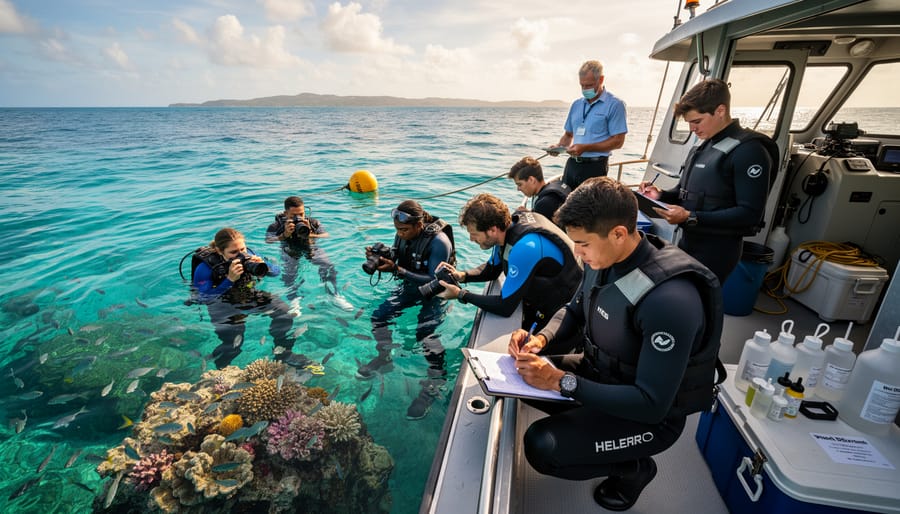
Research and data collection internships form the scientific backbone of ocean conservation efforts, offering hands-on experience in marine field research. These positions typically involve monitoring critical marine species, conducting population surveys, testing water quality parameters, and analyzing ecological data to inform conservation strategies.
Daily activities might include snorkeling or diving to count fish populations, deploying underwater monitoring equipment, collecting water samples for laboratory analysis, and recording behavioral observations of marine mammals or sea turtles. Back in the lab or field station, interns process samples, input data into conservation databases, and assist with statistical analysis to identify population trends or environmental changes.
Marine biologist Dr. Rachel Chen recalls her first internship: “Spending dawn to dusk tracking sea turtle nesting patterns taught me more than any textbook could. I learned to identify subtle environmental cues and understand how small data points contribute to bigger conservation pictures.”
These positions develop valuable technical skills including scientific diving certification, GPS mapping, species identification, data management software proficiency, and report writing. Interns gain practical research experience that strengthens graduate school applications and opens doors to careers in marine science and environmental consulting.
Rehabilitation and Rescue Programs
Rehabilitation and rescue internships offer some of the most emotionally rewarding experiences in ocean conservation. Working alongside marine wildlife rehabilitators, interns provide critical care for injured sea turtles entangled in fishing gear, stranded dolphins and seals, and oil-covered seabirds. Daily tasks include preparing specialized diets, administering medications, cleaning enclosures, and monitoring animal behavior during recovery.
These programs demand both physical stamina and emotional resilience. Interns witness suffering firsthand but also celebrate incredible victories when animals return to the ocean. Maria Chen, a former rehabilitation intern in Florida, recalls releasing her first rescued sea turtle: “Watching it swim away after months of care reminded me why this work matters. Every animal saved represents hope for their species.”
The hands-on nature of these internships provides invaluable skills in animal handling, medical procedures, and emergency response protocols. You’ll learn to recognize signs of distress, understand species-specific needs, and contribute to research that improves rehabilitation techniques. While challenging, these experiences forge deep connections between interns and the animals they help, creating conservation advocates who carry this passion throughout their careers.

Community Education and Outreach Roles
Community education and outreach internships bridge the gap between scientific research and public understanding, empowering communities to become active ocean stewards. These positions typically involve designing interpretive programs for schools, community groups, and tourists, translating complex marine science into accessible, inspiring experiences. Interns might develop curriculum materials, lead beach cleanups with local volunteers, or coordinate citizen science initiatives that engage everyday people in data collection.
Working alongside marine education centers, aquariums, and coastal nonprofits, education-focused interns gain valuable skills in public speaking, program development, and community organizing. You might find yourself guiding snorkeling tours, hosting touch-tank demonstrations, or managing social media campaigns that raise awareness about pressing marine issues. These roles are particularly rewarding for those who excel at communication and relationship-building. Many interns discover that inspiring a child’s curiosity about tide pools or helping a community understand the importance of mangrove restoration creates ripples of conservation impact that extend far beyond their internship duration.
Policy and Advocacy Positions
Policy and advocacy internships offer a unique path for those passionate about creating systemic change in ocean conservation. These positions place interns at the intersection of science and governance, working with environmental organizations, government agencies, and nonprofits to shape marine protection legislation. You might find yourself researching sustainable fishing regulations, analyzing the effectiveness of marine protected areas, or helping draft policy briefs on pressing issues like plastic pollution or climate change impacts on coastal communities.
Former policy intern Maya Chen recalls how her work analyzing fishing quota data directly contributed to new regional protections for endangered sea turtle populations. These roles require strong research and communication skills, as you’ll often translate complex scientific findings into accessible language for policymakers. While many positions are based in urban centers near legislative offices, the impact extends across oceans worldwide, making this an ideal opportunity for those who want to influence conservation on a broader scale.
Real Skills You’ll Gain (That Employers Actually Want)
Ocean conservation internships build a portfolio of practical competencies that extend far beyond your resume—they’re skills that marine life conservationists use daily to protect our oceans and advance their careers.
On the technical side, you’ll gain hands-on experience with scientific data collection methods. Many interns learn underwater survey techniques, water quality testing, species identification, and GPS tracking of marine animals. You’ll become proficient with equipment like refractometers, plankton nets, and underwater cameras. These aren’t just theoretical concepts—you’re learning methods that research institutions and environmental consulting firms actively seek.
“The interns who stand out are those who can demonstrate they’ve collected real data in challenging field conditions,” explains Dr. Maria Santos, a marine biologist with fifteen years of fieldwork experience. “When I’m hiring, I look for candidates who understand data integrity, can troubleshoot equipment issues, and maintain detailed field notes.”
Digital competencies are equally valuable. Most internships involve database management, basic GIS mapping, and statistical analysis using programs like Excel or R. You’ll learn to transform raw observations into meaningful datasets that inform conservation decisions. Many programs also teach science communication through social media management and educational content creation—skills increasingly important as organizations work to engage public support.
The soft skills you develop often prove most valuable long-term. Working in remote field sites teaches adaptability and problem-solving when conditions don’t go as planned. Collaborating with diverse teams—from local fishing communities to international researchers—builds cultural competency and communication skills. You’ll learn to explain complex marine ecosystems to various audiences, whether briefing policymakers or teaching schoolchildren about coral reefs.
Time management becomes second nature when juggling multiple research projects, and physical stamina improves through demanding fieldwork. These experiences build resilience and confidence that serve you regardless of your eventual career path.
“My internship taught me more about teamwork and creative thinking than any classroom ever could,” shares former intern James Chen, now a conservation program coordinator. “When your equipment fails during a critical sampling period, you learn to improvise and collaborate under pressure—skills I use constantly.”
Whether you pursue marine biology, environmental education, policy work, or nonprofit management, these competencies provide a solid foundation for meaningful conservation careers.
From Application to Acceptance: Landing Your Ideal Internship
Where to Find Quality Programs
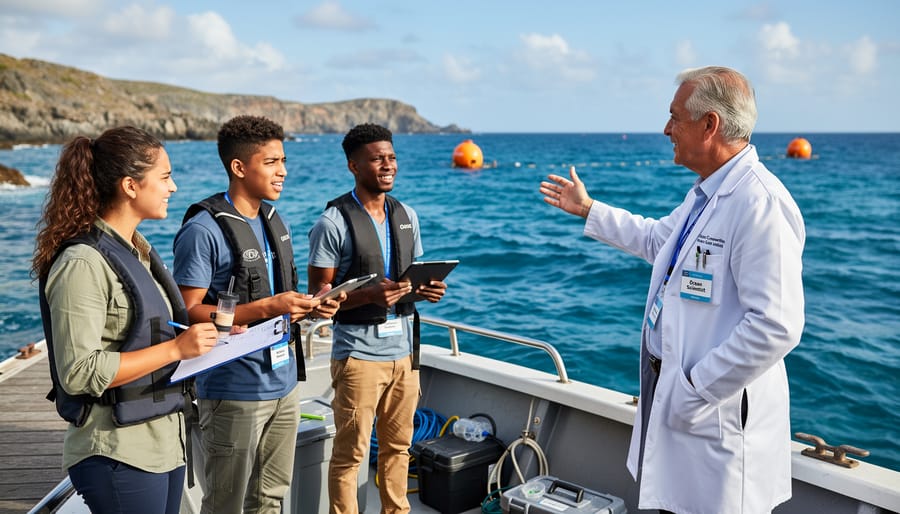
Finding quality ocean conservation internships requires knowing where to look. Start with established research institutions like the Woods Hole Oceanographic Institution, Scripps Institution of Oceanography, and the Smithsonian Marine Station, which regularly offer structured internship programs. These organizations provide excellent mentorship and access to cutting-edge research.
Nonprofit organizations represent another vital pathway. Groups like Oceana, Ocean Conservancy, The Nature Conservancy, and local marine sanctuaries frequently seek interns for fieldwork, policy research, and education programs. Many conservation NGOs post opportunities directly on their websites, so bookmark your favorites and check regularly.
Government agencies shouldn’t be overlooked. NOAA, the National Park Service, and state marine resource departments offer competitive internships with real-world conservation impact. These positions often provide valuable networking within the public sector.
For centralized searching, platforms like Conservation Job Board, Idealist.org, and Texas A&M’s job board aggregate marine positions from multiple sources. Organizations like the Marine Biodiversity Science Center actively connect volunteers and interns with meaningful opportunities while fostering community among aspiring marine conservationists.
University career centers also maintain partnerships with marine organizations and can provide insider knowledge about unadvertised positions. Don’t hesitate to reach out directly to researchers whose work inspires you—many internships begin with a simple email expressing genuine interest.
What Program Directors Look For
Program directors consistently emphasize that genuine passion outweighs perfect credentials. Dr. Sarah Chen, who coordinates internships at a Pacific marine sanctuary, shares: “We look for curiosity and commitment more than extensive experience. Show us you’ve taken initiative—whether that’s volunteering at local aquariums, participating in beach cleanups, or taking online courses in marine biology.”
Most programs require basic skills: strong writing abilities for reports and proposals, comfort with data collection, and physical fitness for fieldwork. However, directors understand that specialized techniques like SCUBA certification, GIS mapping, or statistical analysis can be learned during the internship itself.
What truly makes candidates stand out? Demonstrating awareness of the organization’s specific conservation challenges. Research their current projects and reference them in your application. Mention relevant coursework, even if it’s introductory marine science or environmental policy. Include any volunteer work with wildlife, habitat restoration, or environmental education—these experiences translate directly to conservation settings.
Don’t let limited field experience discourage you. Many successful interns started with nothing more than enthusiasm and a willingness to learn. Program directors seek team players who can handle remote locations, adapt to changing conditions, and maintain positive attitudes during challenging work. Your application should convey resilience, eagerness to contribute, and genuine care for ocean ecosystems.
Making Your Application Stand Out
Your application materials are your chance to showcase why you’re the ideal candidate for an ocean conservation internship. Start by crafting a personal statement that tells your unique story. Rather than simply listing qualifications, share the specific moment that sparked your passion for marine conservation—perhaps a childhood beach visit where you witnessed plastic pollution, or a documentary that changed your perspective on ocean health.
When highlighting experience, remember that relevance matters more than prestige. Volunteer work with local environmental groups, coursework in marine science, or even personal projects like organizing beach cleanups demonstrate genuine commitment. Marine biologist Dr. Elena Rodriguez often advises applicants: “I look for candidates who show initiative beyond the classroom. Someone who started a campus sustainability club or volunteers at their local aquarium tells me they’re serious about conservation work.”
Demonstrate your knowledge of the specific organization’s mission and recent projects. Reference their research initiatives or conservation campaigns to show you’ve done your homework. Quantify your achievements when possible—”organized five beach cleanups removing 200 pounds of debris” is more compelling than “participated in cleanups.”
Finally, convey authentic enthusiasm without exaggeration. Admissions committees can distinguish between genuine passion and generic statements. Let your dedication to protecting marine ecosystems shine through naturally, and your application will resonate with decision-makers seeking committed future conservationists.
What to Expect: A Day in the Life of Marine Conservation Interns
Your alarm sounds at 5:30 AM, and within an hour, you’re aboard a research vessel watching the sunrise paint the ocean in shades of amber and gold. For marine conservation intern Sarah Chen, this became her routine during a summer program with a sea turtle conservation project in Costa Rica. “I expected lab work and data entry,” she recalls, “but I spent my mornings patrolling beaches, measuring nesting sites, and carefully relocating endangered eggs to protected hatcheries.”
The reality of ocean conservation internships varies dramatically depending on your program type, but most share common threads: early mornings, physical challenges, and moments of unexpected wonder.
Field-based internships often demand considerable stamina. Marine conservation interns typically work outdoors in challenging conditions, from scorching sun to unpredictable weather. You might find yourself snorkeling for hours to assess coral reef health, hauling equipment across rocky shores, or maintaining underwater monitoring stations. Former intern Marcus Williams describes his coral restoration program: “My hands were constantly in saltwater, my back ached from carrying fragments, but the day we transplanted 200 coral pieces successfully made every challenge worthwhile.”
Research-focused positions offer different rhythms. Days might split between fieldwork and laboratory analysis, where you’ll process water samples, identify species under microscopes, or input data into conservation databases. These roles teach patience and precision, as marine biologist Dr. Elena Rodriguez explains: “Interns often discover that conservation science involves meticulous observation and documentation. It’s less dramatic than documentaries suggest, but equally important.”
Team dynamics profoundly shape the internship experience. You’ll work alongside passionate individuals from diverse backgrounds, sharing cramped boat cabins, collaborative research sessions, and celebratory moments when projects succeed. Many former interns cite these relationships as career-defining, opening doors to future opportunities and lifelong friendships.
Unexpected learning opportunities abound. You might assist with community education programs, participate in policy discussions with local governments, or learn equipment maintenance and boat operation. Intern Jasmine Patel never anticipated developing public speaking skills: “I suddenly found myself presenting our findings to elementary school students, translating complex marine science into stories young children could understand and care about.”
The work is undeniably demanding, but former interns consistently describe their experiences as transformative, offering clarity about career paths and deepening their commitment to ocean protection.
Beyond Your Internship: How This Experience Shapes Your Future
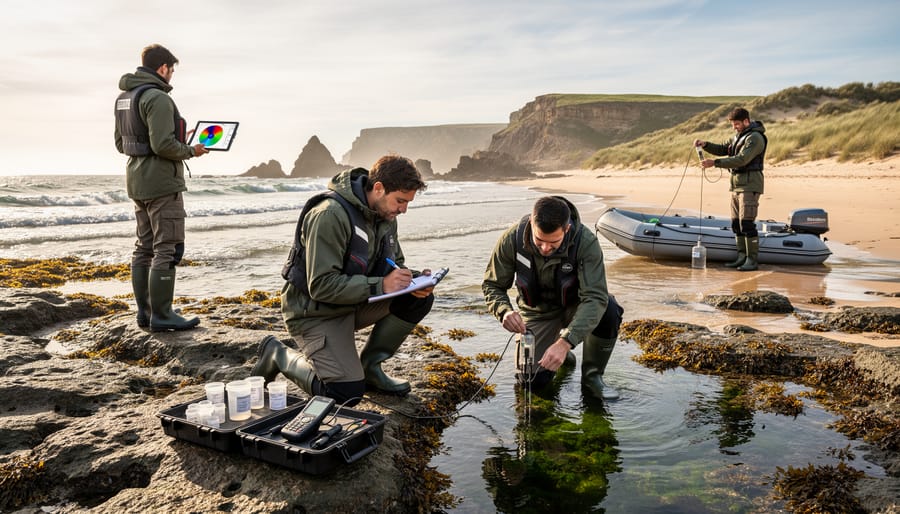
An ocean conservation internship doesn’t just fill a gap on your resume—it fundamentally shapes your professional trajectory and personal worldview. The connections you build and skills you develop create a foundation that extends far beyond your internship period.
The networking opportunities during these programs often prove invaluable. You’ll work alongside experienced marine biologists, policy makers, and conservation leaders who can become lasting mentors. Former intern Sarah Chen recalls how her supervisor at a Hawaiian sea turtle conservation project later recommended her for a research position at a prestigious oceanographic institute. These relationships frequently evolve into collaborative partnerships that span entire careers.
The hands-on experience you gain makes you immediately valuable to potential employers. Organizations seeking marine conservation professionals prioritize candidates who understand the realities of fieldwork—from collecting reliable data in challenging conditions to engaging with community conservation partnerships. Your internship demonstrates both technical competence and genuine commitment to the field.
Career paths for former interns are remarkably diverse. Some transition directly into research roles, pursuing graduate degrees in marine biology or ecology. Others discover passions for science communication, becoming educators who bring ocean conservation into classrooms and aquariums. Miguel Torres started as a coral reef monitoring intern and now leads environmental policy initiatives for a coastal management agency. Meanwhile, Jessica Park leveraged her experience to launch a sustainable fishing consulting business, helping small-scale fisheries adopt conservation practices.
The personal transformation often surprises interns most. Many describe developing deeper environmental awareness, improved problem-solving abilities, and enhanced resilience. You’ll return from your internship not just with professional skills, but with renewed purpose and clarity about your role in protecting marine ecosystems. Whether you continue in marine conservation or apply these lessons elsewhere, the experience provides a compass for meaningful, impact-driven work throughout your career.
Taking Your First Step Toward Ocean Conservation
Your journey toward ocean conservation can begin today, regardless of where you currently stand. If you’re a student, start by reaching out to your university’s marine science department or career services office to explore internship opportunities. Many conservation organizations offer summer programs specifically designed for undergraduates. Even if you’re still deciding on a major, volunteering at local aquariums or coastal cleanup events demonstrates commitment and builds foundational experience.
For career changers, your existing skills are valuable assets to conservation organizations. Project management, communications, data analysis, and fundraising expertise all translate directly to marine conservation work. Consider starting with short-term volunteer positions or weekend fieldwork opportunities to test the waters while maintaining your current employment.
Educators play a vital role in multiplying conservation impact by inspiring the next generation. Integrating ocean conservation topics into your curriculum, organizing field trips to marine research facilities, or connecting your students with marine biologists creates ripples that extend far beyond the classroom.
Remember, every marine biologist and conservation leader started with a single step. Your contribution, whether through a formal internship, volunteer work, or simply spreading awareness, joins a global movement protecting our oceans. The Marine Biodiversity Science Center offers various programs and maintains an active e-network connecting passionate individuals with opportunities and resources.
The ocean needs advocates at every level. Your unique perspective and dedication matter. Take that first step today and become part of the solution our oceans desperately need.

jessica
Ava Singh is an environmental writer and marine sustainability advocate with a deep commitment to protecting the world's oceans and coastal communities. With a background in environmental policy and a passion for storytelling, Ava brings complex topics to life through clear, engaging content that educates and empowers readers. At the Marine Biodiversity & Sustainability Learning Center, Ava focuses on sharing impactful stories about community engagement, policy innovations, and conservation strategies. Her writing bridges the gap between science and the public, encouraging people to take part in preserving marine biodiversity. When she’s not writing, Ava collaborates with local initiatives to promote eco-conscious living and sustainable development, ensuring her work makes a difference both on the page and in the real world.