Marine Biodiversity Science Center

Marine Pollution: The Invisible Threat Choking Our Oceans

Our oceans are choking on plastic, chemicals, and other waste, transforming vibrant ecosystems into hazardous dumping grounds. Marine pollution has reached crisis levels, with around 11 million metric tons of plastic entering the ocean every year. To put this in perspective, global plastic production now exceeds 460 million metric tons annually, and an estimated 20 million metric tons of plastic litter end up in the environment each year. This deluge of debris entangles and poisons marine life, from microscopic plankton to majestic whales. Discarded fishing gear turns into death traps, while microplastics infiltrate the food chain, ultimately ending up on our dinner plates.
But marine pollution isn’t just an environmental catastrophe – it’s a human health emergency. Toxic contaminants bioaccumulate in the seafood we eat, linked to cancer, birth defects, and neurological disorders. Coastal communities that rely on fishing face economic ruin as yields plummet. And as pollutants alter ocean chemistry, climate change accelerates, fueling more frequent and intense extreme weather events.
We must act now to stem this tide of destruction before it’s too late. The survival of our oceans – and our own species – hangs in the balance.
The Scope and Scale of Marine Pollution
Marine pollution has reached a crisis point that demands immediate attention. Around 11 million metric tons of plastic enter the ocean every year, contributing to an estimated 20 million metric tons of plastic litter that end up in the environment annually. This surge occurs even as global plastic production continues to climb, with over 460 million metric tons manufactured each year.
The scope extends far beyond what accumulates in ocean gyres. Plastic pollution affects all land, freshwater, and marine ecosystems, creating interconnected webs of contamination that span the entire planet. Coastal waters, deep sea trenches, remote island beaches, and polar ice sheets all show evidence of human-generated waste.
Marine plastic debris poses a serious threat to the global marine ecosystem and has become a pressing international concern. The damage manifests through multiple pathways: eutrophication chokes oxygen from coastal waters, bioaccumulation concentrates toxins through food chains, and habitat degradation destroys critical breeding and feeding grounds. These impacts collectively drive biodiversity loss and ecosystem degradation while contributing to climate change.
| Pollution Type | Primary Sources | Annual Scale/Impact |
|---|---|---|
| Plastic | Single-use packaging, fishing gear, microplastics from textiles | 11 million metric tons entering oceans yearly |
| Chemical | Industrial discharge, pharmaceuticals, heavy metals | Bioaccumulation through food webs |
| Agricultural Runoff | Fertilizers, pesticides, livestock waste | Eutrophication in coastal zones |
| Oil | Tanker spills, offshore drilling, routine shipping operations | Habitat degradation and contamination |
Ocean pollution threatens not only marine life but human health as well. Communities that depend on fisheries face contaminated catches, while coastal populations experience degraded water quality and compromised ecosystem services. The problem requires coordinated global action, as pollution generated on one continent frequently impacts ecosystems thousands of miles away. Understanding the full scope of marine conservation challenges is the first step toward meaningful solutions.
Plastic Pollution
Plastic pollution has become one of the most pervasive and long-lasting threats to our oceans. Around 11 million metric tons of plastic enter the ocean every year, with single-use plastics like bags, bottles, and packaging making up a significant portion. Once in the water, plastic debris can take hundreds of years to decompose, breaking down into smaller microplastics that are easily ingested by marine life. This not only harms individual animals but also disrupts entire food chains and ecosystems. Plastic pollution is now recognized as a major driver of biodiversity loss and ecosystem degradation, while also contributing to climate change.
The consequences of plastic pollution are far-reaching. Entanglement and ingestion of plastic debris can cause injury, starvation, and death in marine animals like sea turtles, seabirds, and cetaceans. Microplastics, often invisible to the naked eye, are consumed by plankton and small fish, introducing toxic chemicals into the food web that can bioaccumulate in larger predators. These tiny plastic particles have become ubiquitous, contaminating all marine ecosystems and ultimately affecting human health as we consume contaminated seafood.
Moreover, plastic pollution has economic impacts on coastal communities that rely on tourism and fishing. Littered beaches and waters can deter visitors, while the decline in marine biodiversity due to plastic waste affects the livelihoods of fishermen. Addressing the global plastic pollution crisis requires a multi-faceted approach, from reducing our reliance on single-use plastics to improving waste management systems, including the role of responsible rubbish removal companies and investing in innovative solutions for recycling and biodegradable materials.
Plastic debris floating in the ocean with marine life tangled in it
Chemical and Oil Pollution
Chemical and oil pollution pose a significant threat to marine life and ecosystems. Toxic chemicals, such as pesticides, heavy metals, and persistent organic pollutants (POPs), enter the ocean through industrial waste, agricultural runoff, and atmospheric deposition. These hazardous substances accumulate in the tissues of marine organisms, leading to reduced fertility, developmental abnormalities, and increased mortality rates. As these chemicals move up the food chain through a process called biomagnification, they can reach dangerous concentrations in top predators, including humans who consume contaminated seafood.
Oil spills, another major source of marine pollution, can devastate coastal habitats and wildlife. When oil coats the feathers of seabirds or the fur of marine mammals, it impairs their insulation and buoyancy, often leading to hypothermia and drowning. Oil also smothers and poisons sensitive intertidal organisms, such as corals and mollusks, disrupting entire ecosystems. The toxic components of oil, like polycyclic aromatic hydrocarbons (PAHs), can persist in the environment for years, causing long-term damage to marine life and hindering the recovery of affected areas. By understanding the grave consequences of chemical and oil pollution, we can work together to reduce our reliance on harmful substances and prevent further contamination of our oceans.
Impact on Marine Biodiversity

Endangered Species
Marine pollution poses a grave threat to numerous endangered species, jeopardizing their survival and the delicate balance of ocean ecosystems. Plastic pollution is a major driver of biodiversity loss and ecosystem degradation, with around 11 million metric tons of plastic entering the ocean every year. This debris affects marine species in devastating ways.
Among the most vulnerable groups are:
- Sea turtlesOften mistake plastic bags for jellyfish and ingest them, leading to intestinal blockages, starvation, and death.
- Marine mammals (whales, dolphins, seals)Become entangled in abandoned fishing gear, causing injuries, impaired feeding, and drowning; also suffer reproductive disorders and weakened immune systems from bioaccumulation of toxic chemicals like PCBs and heavy metals.
- SeabirdsIngest plastic debris while feeding, which can cause internal injuries, malnutrition, and mortality, particularly in chicks.
- Fish speciesExperience habitat degradation from pollution and microplastic ingestion, which enters the food chain and affects population health.
The critically endangered North Atlantic right whale exemplifies these dangers. Many individuals become entangled in discarded fishing equipment, suffering serious injuries that impair their ability to feed and reproduce. The accumulation of toxins in their tissues further weakens already fragile populations.
As climate change continues to alter ocean conditions, the compounded stress of pollution on endangered species becomes increasingly dire. Marine pollution threatens ocean ecosystems and human health through eutrophication, bioaccumulation, and habitat degradation. We must take immediate action to reduce marine pollution, not only for these magnificent creatures but for the health and resilience of our shared ocean heritage. By implementing sustainable practices and supporting conservation efforts, we can create a cleaner, safer environment for all marine life to thrive.
Coral Reefs in Crisis
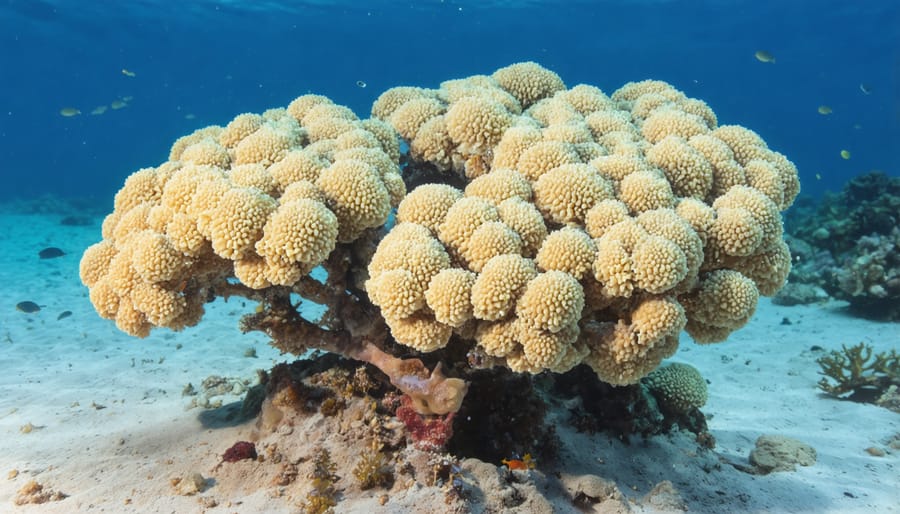
Coral reefs, the vibrant underwater ecosystems teeming with life, are facing an unprecedented crisis due to marine pollution. Chemical contaminants, plastic waste, and agricultural runoff are causing widespread coral bleaching, a phenomenon where corals expel their symbiotic algae, turning white and becoming more susceptible to disease and death. Rising ocean temperatures, exacerbated by global warming, further compound this issue. As coral reefs decline, entire marine communities that depend on them for shelter, food, and breeding grounds are at risk. The loss of these biodiversity hotspots has far-reaching consequences, not only for the countless species that inhabit them but also for the millions of people who rely on healthy reefs for food, income, and coastal protection. Moreover, the degradation of coral reefs can lead to a domino effect, as it disrupts the delicate balance of marine ecosystems. For instance, the loss of herbivorous fish due to overfishing allows algae to overgrow and smother corals. Urgent action is needed to reduce marine pollution, mitigate climate change, and protect these invaluable ecosystems before it’s too late. By addressing the root causes of coral reef decline, we can give these underwater wonders a fighting chance to recover and thrive.
Consequences for Human Health and Economies
Marine pollution has far-reaching consequences that extend beyond the oceans, ultimately impacting human health and economies worldwide. One of the most direct ways pollution affects human well-being is through the consumption of contaminated seafood. Many pollutants, such as heavy metals, persistent organic pollutants (POPs), and microplastics, accumulate in the tissues of marine organisms. As these contaminants move up the food chain, they can reach dangerous levels in the fish and shellfish consumed by humans. Eating contaminated seafood has been linked to various health problems, including neurological disorders, cancer, and reproductive issues.
In addition to health impacts, marine pollution also takes a significant toll on coastal economies. Oil spills, plastic debris, and other visible forms of pollution can deter tourists from visiting affected areas, leading to substantial losses in revenue for local businesses that rely on tourism. The presence of pollution can also decrease property values and increase healthcare costs in coastal communities. Industries that depend on healthy marine ecosystems, such as fishing and aquaculture, suffer economic losses when pollution diminishes fish populations or makes seafood unsafe for consumption.
Moreover, the costs of cleaning up marine pollution are astronomical. Governments and organizations spend billions of dollars annually on efforts to remove debris, restore habitats, and mitigate the impacts of pollution. These funds could be better spent on other pressing social and environmental issues if marine pollution were effectively prevented. By recognizing the interconnectedness of ocean health and human well-being, we can better understand the urgency of addressing marine pollution and work together to protect our shared marine resources for current and future generations.
Taking Action Against Marine Pollution
Marine pollution poses one of the most significant environmental challenges of our time, affecting ocean ecosystems, coastal communities, and ultimately human health. With around 11 million metric tons of plastic entering the ocean every year and plastic pollution now recognized as a major driver of biodiversity loss and ecosystem degradation, the scale of the problem demands coordinated action across every level of society.
Finding effective marine pollution solutions requires effort from individuals, communities, corporations, and governments working together. No single approach will solve this crisis. Instead, meaningful progress depends on simultaneous action across multiple fronts: changing daily habits, supporting policy reforms, developing innovative technologies, and holding polluters accountable.
The good news? Practical steps exist that anyone can take right now. The following subsections outline concrete actions you can implement in your own life, ways to amplify your impact through community involvement, and strategies for supporting broader systemic change. These aren’t abstract ideals but proven approaches already making a difference in protecting our oceans.
Understanding why marine biodiversity matters and how climate change compounds ocean threats provides essential context for why these actions are so critical. Whether you’re ready to dive into marine conservation efforts or simply looking for ways to reduce your environmental footprint, the path forward starts with informed, deliberate choices.
Reducing Plastic Waste
To reduce plastic waste and protect marine environments, opt for reusable items like water bottles, shopping bags, and straws. Avoid single-use plastics whenever possible, and choose products with minimal packaging. When disposing of waste, ensure it’s properly sorted and recycled according to local guidelines. Participate in beach cleanups or organize your own to remove litter from shorelines and prevent it from entering the ocean. Support businesses that prioritize eco-friendly practices and use biodegradable or compostable materials. Spread awareness about the importance of reducing plastic waste and encourage others to adopt sustainable habits. Remember, every action counts towards protecting our oceans and the countless species that call them home. By making conscious choices and working together, we can significantly reduce the amount of plastic waste that ends up in our seas and contribute to a healthier planet for generations to come.
Supporting Conservation Efforts
Marine pollution is a global problem that requires a collective effort to address. By supporting organizations like the Marine Biodiversity Science Center, individuals can play a vital role in protecting our oceans and the incredible diversity of life they sustain. These organizations work tirelessly to study marine ecosystems, raise awareness about the impacts of pollution, and implement conservation strategies. Exploring the broader significance of marine biodiversity highlights why these actions are crucial for sustaining life on our planet.
There are many ways to get involved and make a difference. Volunteering for beach cleanups, participating in citizen science projects, and supporting sustainable seafood initiatives are just a few examples. Every action, no matter how small, contributes to the larger goal of safeguarding our oceans for future generations.
In addition to hands-on involvement, spreading awareness about the importance of marine conservation is crucial. By educating others about the threats posed by pollution and the steps we can take to mitigate its effects, we can inspire more people to join the cause. Together, we have the power to create meaningful change and ensure that our oceans remain vibrant, healthy, and teeming with life for years to come.
Marine pollution is an urgent global crisis that demands immediate action. The devastating consequences for marine life, human health, and coastal economies cannot be ignored. However, there is still hope. By working together and taking steps to reduce pollution, we can begin to heal our oceans and protect their incredible biodiversity. Every individual has the power to make a difference, whether by making more sustainable choices, supporting conservation efforts, or spreading awareness. Organizations around the world are already making strides in developing innovative solutions and cleanup initiatives. As more people join the cause, the collective impact grows exponentially. Though the challenge is daunting, we must remain optimistic. With dedication, collaboration, and a shared love for our oceans, we can turn the tide on marine pollution and ensure a healthier planet for generations to come. The future of our oceans is in our hands – let’s make it a brighter one.

jessica
Ava Singh is an environmental writer and marine sustainability advocate with a deep commitment to protecting the world's oceans and coastal communities. With a background in environmental policy and a passion for storytelling, Ava brings complex topics to life through clear, engaging content that educates and empowers readers. At the Marine Biodiversity & Sustainability Learning Center, Ava focuses on sharing impactful stories about community engagement, policy innovations, and conservation strategies. Her writing bridges the gap between science and the public, encouraging people to take part in preserving marine biodiversity. When she’s not writing, Ava collaborates with local initiatives to promote eco-conscious living and sustainable development, ensuring her work makes a difference both on the page and in the real world.