Marine Biodiversity Science Center

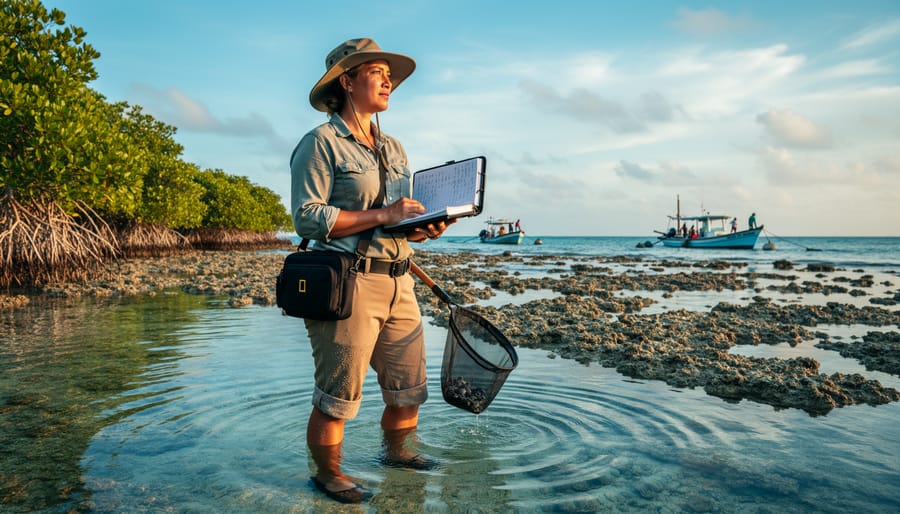
Beneath the ocean’s surface lies a hidden current shaping marine conservation’s future: the systematic exclusion of women from fisheries management, research leadership, and coastal decision-making. When half the population remains marginalized in ocean stewardship, we lose critical perspectives, traditional ecological knowledge, and innovative solutions essential for protecting marine ecosystems facing unprecedented threats.
The numbers tell a striking story. Women comprise half of the global small-scale fishing workforce yet hold fewer than 20% of senior positions in marine science institutions and occupy minimal seats at fisheries policy tables. This imbalance extends beyond fairness—it directly impacts conservation outcomes. Communities that integrate women’s knowledge into marine resource management demonstrate 35% better compliance with fishing regulations and more resilient responses to climate disruptions.
Consider Maria, a third-generation fisher in the Philippines whose grandmother’s tide pool mapping techniques revealed critical juvenile habitat zones scientists had overlooked. Or Dr. Ayana Elizabeth Johnson, whose community-centered approach to Caribbean reef conservation succeeded where top-down mandates failed. These stories illuminate what we sacrifice when gendered barriers persist: generations of coastal wisdom, collaborative problem-solving approaches, and the diverse leadership needed to navigate complex environmental challenges.
This article examines how gender inequality undermines ocean conservation, profiles women breaking barriers, and provides actionable strategies for creating equitable marine stewardship. The health of our oceans depends on including every voice in their protection.
The Invisible Labor: Women’s Roles in Marine Ecosystems
Coastal Communities and Daily Dependence
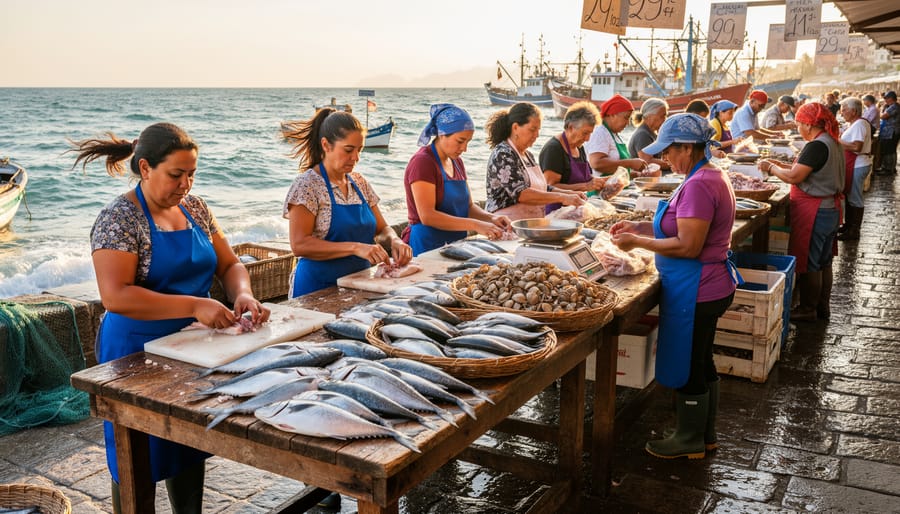
In coastal communities across the globe, women form the backbone of small-scale fisheries and marine resource management, though their contributions often remain invisible in official statistics and policy discussions. From the shellfish gatherers of West Africa to the seaweed farmers of Southeast Asia, millions of women depend directly on marine ecosystems for their families’ survival and economic wellbeing.
Women typically dominate post-harvest activities like fish processing, smoking, and selling at local markets, generating crucial income for household nutrition, children’s education, and healthcare. In many regions, they also engage in nearshore harvesting of mollusks, crustaceans, and edible seaweeds, activities that require deep ecological knowledge passed down through generations. These cultural practices represent more than economic activities; they embody traditional wisdom about sustainable harvesting techniques, seasonal patterns, and ecosystem health indicators.
Dr. Maria Santos, a marine biologist working with fishing communities in the Philippines, shares a striking observation: “The women I work with can identify dozens of marine species by touch alone and know precisely which areas to avoid during breeding seasons. This knowledge is invaluable for conservation, yet these women rarely participate in formal resource management decisions.”
The stark reality is that while women constitute approximately half of the workforce in small-scale fisheries globally, they face significant barriers including limited access to training, technology, and decision-making platforms. Understanding these gendered dynamics is essential for developing effective, equitable conservation strategies that protect both marine biodiversity and coastal livelihoods.
Economic Contributions Often Uncounted
When we count the global economic value of fisheries and marine resources, we often miss a crucial part of the story. Women’s contributions to coastal economies extend far beyond what official statistics capture, creating a significant gap in our understanding of marine-dependent livelihoods and perpetuating economic vulnerability in these communities.
In coastal communities worldwide, women dominate the post-harvest sector. They process fish through smoking, drying, and salting, extending shelf life and increasing market value. They mend nets, a skilled task requiring hours of precise work. They transport catches to markets, manage small-scale trading operations, and prepare value-added products like fish paste and fermented seafood. Yet these activities rarely appear in fisheries employment data, which traditionally counts only those who go to sea.
Dr. Sarah Martinez, a marine social scientist who has spent fifteen years documenting women’s work in Pacific fishing communities, shares a revealing observation. “I watched women in the Philippines spend eight hours daily processing gleaned shellfish, contributing significantly to household income. When asked their occupation, they said ‘housewife.’ The economic data reflected that, making their work invisible.”
This invisibility has real consequences. Development programs allocate resources based on official statistics, often bypassing the women who form the backbone of seafood value chains. Credit programs target boat owners rather than processors. Training initiatives focus on fishing techniques instead of market development or product innovation where women concentrate their efforts.
The informal nature of much women’s work compounds this challenge. Without formal recognition, women lack access to cooperatives, microfinance, or insurance schemes that could strengthen their enterprises. Understanding and counting these contributions represents an essential first step toward equitable marine resource management and more resilient coastal economies.
Locked Out of the Conversation: Barriers to Participation
Cultural and Social Constraints
Traditional gender roles continue to shape who participates in marine resource management and conservation decision-making worldwide. In many coastal communities, cultural expectations confine women to domestic responsibilities and nearshore activities like shellfish collection and seaweed harvesting, while men dominate offshore fishing and formal leadership positions. These divisions aren’t merely traditional—they actively exclude women from spaces where critical decisions about marine protected areas, fishing quotas, and conservation strategies are made.
Mobility restrictions present another significant barrier. In some regions, women face limited access to transportation, making it difficult to attend meetings held in distant locations or at times conflicting with caregiving duties. Social norms often discourage women from speaking in mixed-gender gatherings or challenging male authority figures, even when they possess valuable ecological knowledge from their daily interaction with coastal ecosystems.
Dr. Maria Santos, a marine biologist working in Southeast Asian fishing communities, shares a telling observation: “I’ve watched women who can identify dozens of fish species and understand tidal patterns sit silently in community meetings while decisions affecting their livelihoods get made without their input. The knowledge is there—the social permission to share it isn’t.”
These constraints create a troubling cycle. When women cannot participate in decision-making, policies fail to reflect their experiences and expertise. Conservation initiatives that ignore gender dynamics often overlook critical ecosystem components and miss opportunities for more effective, equitable resource management. Breaking these barriers requires recognizing that cultural sensitivity and progressive change can coexist, creating pathways for women’s meaningful participation without dismissing traditional knowledge systems.
Economic and Educational Gaps
Across coastal communities worldwide, women face systemic barriers that prevent them from fully participating in marine conservation efforts. Limited access to formal education remains one of the most significant obstacles. In many fishing communities, girls receive less schooling than boys, creating knowledge gaps that persist into adulthood. When conservation programs arrive with technical information about sustainable fishing practices or ecosystem management, women who lack basic literacy or numeracy skills find themselves excluded from crucial discussions about resources they depend upon daily.
Technology access presents another challenge. Modern marine conservation increasingly relies on GPS systems, weather tracking apps, and digital communication platforms. Without smartphones or internet connectivity, women cannot access real-time information about fish stocks, market prices, or weather warnings that could protect their livelihoods and safety. This digital divide extends to participation in online training programs and virtual workshops that have become standard in conservation education.
Financial barriers compound these educational gaps. Women typically lack access to credit and loans that would allow them to invest in improved fishing equipment, storage facilities, or alternative livelihoods. Without collateral or formal property rights, banks often deny women the capital needed to adapt to changing ocean conditions or transition to sustainable practices.
Property rights remain particularly problematic in coastal regions where traditional laws exclude women from owning land or boats. Dr. Maria Santos, a marine biologist working in Southeast Asian communities, shares: “I’ve met countless women who’ve spent decades fishing but don’t legally own their vessels. When conservation zones are established, they have no voice in negotiations because they lack formal ownership.” This invisibility in legal frameworks means women’s knowledge and needs are frequently overlooked in marine spatial planning and resource management decisions.
Representation in Marine Science and Policy
Despite women comprising nearly half of marine science graduates, they remain significantly underrepresented in leadership positions across marine biology, conservation organizations, and fisheries management institutions. Research shows that women hold fewer than 30% of senior roles in major marine conservation organizations and account for only 18% of senior scientists in prominent oceanographic institutions. In fisheries management, the gap widens further, with women representing less than 15% of decision-makers in regional fishery management councils globally.
Dr. Sarah Chen, a marine ecologist who broke through these barriers to lead coral restoration projects in the Pacific, shares her experience: “Early in my career, I noticed my recommendations were often overlooked until a male colleague reiterated them. Building networks with other women scientists gave me the support to persist and eventually secure a leadership role where I could mentor the next generation.”
This representation gap has real consequences for conservation outcomes. Studies demonstrate that gender-diverse teams produce more comprehensive research and develop more inclusive management strategies that consider diverse stakeholder perspectives. Addressing this imbalance requires institutional commitment to equitable hiring practices, mentorship programs, and creating pathways for women to advance into decision-making positions where their expertise can shape marine policy effectively.
What We Lose When Women Are Excluded
Incomplete Knowledge Systems
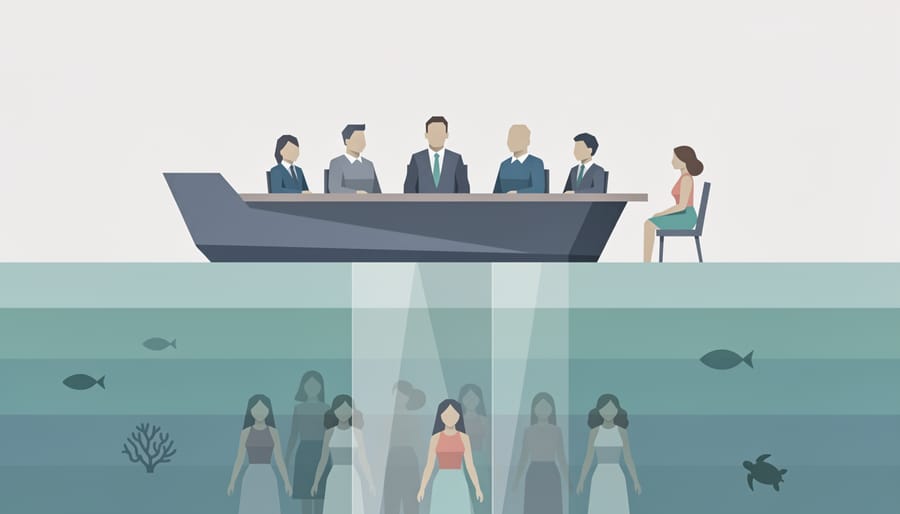
When women are excluded from marine resource management and decision-making processes, entire knowledge systems disappear. Across coastal communities worldwide, women have developed specialized expertise about marine ecosystems through their daily work processing fish, harvesting shellfish, and managing nearshore resources. This traditional ecological knowledge includes detailed observations about breeding cycles, migration patterns, and the health indicators of various species that formal scientific studies often overlook.
Dr. Maria Santos, a marine biologist working with fishing communities in the Philippines, shares a striking example: “The women I work with can identify over forty distinct stages of crab molting and know precisely which mangrove areas serve as nurseries during different moon phases. This information proved critical when we developed our marine protected area network, yet these women had never been consulted in previous conservation planning.”
Without women’s input, conservation strategies miss crucial data about seasonal variations, ecosystem interconnections, and early warning signs of environmental change. Studies show that projects incorporating women’s ecological knowledge achieve better biodiversity outcomes and stronger community compliance. Their observations about subtle environmental shifts often provide the earliest alerts to ecosystem stress, making their participation essential for adaptive management approaches that respond effectively to changing ocean conditions.
Weakened Community Resilience
When women and marginalized groups are excluded from coastal resource management, entire communities become more vulnerable to environmental and economic shocks. Research consistently demonstrates that gender-inclusive approaches lead to more sustainable fishing practices, better resource monitoring, and stronger climate adaptation strategies. In the Philippines, for instance, coastal communities that actively involved women in mangrove restoration projects saw 30% higher survival rates of planted seedlings compared to male-only initiatives, largely because women incorporated traditional ecological knowledge about tidal patterns and soil conditions.
Dr. Maria Santos, a marine biologist working with fishing cooperatives in Southeast Asia, shares a powerful observation: “When we brought women into the decision-making process for marine protected areas, they immediately identified nursery grounds that fishermen had overlooked. Their daily activities collecting shellfish and seaweed gave them intimate knowledge of these ecosystems.” This collaborative approach resulted in more effective conservation zones and increased fish stocks within two years.
Communities that embrace gender equity in marine management also show greater economic stability. Women often diversify income through value-added products like dried fish, fermented seafood, and seaweed cultivation, creating financial buffers when fishing yields decline. By recognizing and supporting these contributions, coastal regions build resilience that benefits everyone while protecting marine biodiversity for future generations.
Success Stories: When Gender Inclusion Works

Women-Led Conservation Initiatives
Across the globe, women are stepping into leadership positions and transforming marine conservation through innovative, community-centered approaches. These initiatives demonstrate that when women lead, conservation efforts often become more inclusive, sustainable, and effective.
Dr. Ayana Elizabeth Johnson, a marine biologist and policy expert, co-founded Ocean Collectiv, which brings together science, policy, and community engagement to protect coastal ecosystems. Her work emphasizes that diverse perspectives strengthen conservation outcomes. “We can’t solve the ocean crisis without addressing who gets to participate in the solutions,” she explains, highlighting how women’s leadership creates pathways for historically excluded communities to engage in marine stewardship.
In the Philippines, the Bantay Dagat program showcases women fishers taking charge of coastal patrols and resource monitoring. Maria Santos, a program coordinator, transformed her community’s approach to reef protection by organizing women-led surveillance teams. These teams reduced illegal fishing by 40% within two years while creating alternative livelihoods through seaweed farming cooperatives. Her success demonstrates how women’s intimate knowledge of local ecosystems, combined with leadership opportunities, produces tangible conservation results.
The Blue Ventures initiative in Madagascar empowers women to manage octopus fisheries through temporary closures and sustainable harvesting practices. Women comprise 70% of octopus fishers in these communities, and their leadership in establishing periodic fishing bans has increased catches by up to 400% while allowing populations to recover.
These programs share common elements: they recognize women’s existing expertise, provide resources and training, and create spaces where women’s voices drive decision-making. For those inspired to support similar efforts, volunteer opportunities exist through organizations working at the intersection of gender equity and marine conservation, offering chances to contribute to research, community education, or policy development initiatives.
Policy Changes That Made a Difference
Several countries have demonstrated that deliberate policy reforms can dramatically reshape who participates in marine resource management. In Namibia, quota allocation reforms in the early 2000s reserved fishing rights specifically for community cooperatives, resulting in women securing leadership positions in 40% of these organizations. The transformation came from recognizing women’s traditional roles in fish processing and marketing as legitimate expertise worthy of decision-making authority.
The Philippines’ Fisheries Code of 1998 mandated that women comprise at least 30% of municipal fisheries management councils. This quota system, combined with targeted leadership training programs, increased women’s representation from nearly zero to meeting and often exceeding the threshold within a decade. Crucially, these councils incorporated community engagement strategies that valued diverse knowledge systems.
Indonesia’s coastal management reforms provide another compelling example. By establishing village-level marine protected area committees with gender parity requirements and providing childcare during meetings, participation rates soared. Marine biologist Dr. Sari Wahyuni notes, “When we removed logistical barriers and legitimized women’s ecological knowledge through policy, conservation outcomes improved measurably. Women brought critical insights about seasonal patterns and species behavior that male fishers had overlooked.”
These successes share common elements: legal frameworks establishing clear participation targets, removal of practical barriers, and recognition that gender equity strengthens conservation effectiveness.
Building a More Inclusive Future for Marine Conservation
What Conservation Organizations Can Do
Marine conservation organizations have a powerful opportunity to lead by example in creating gender-inclusive programs. Start by conducting gender analyses of coastal communities to understand how conservation initiatives affect women and men differently. This means gathering sex-disaggregated data during community assessments and recognizing that women often hold specialized ecological knowledge about intertidal zones, shellfish populations, and nearshore ecosystems.
Ensure women have seats at decision-making tables, not just as participants but as leaders. Dr. Maria Santos, a marine biologist working in the Philippines, shares: “When we included women fishers in our marine protected area planning, we discovered critical spawning grounds that male fishers hadn’t mentioned. Their daily gleaning activities gave them unique insights.”
Create volunteer and training programs with flexible schedules that accommodate caregiving responsibilities. Provide childcare during meetings and workshops when possible. Partner with women’s cooperatives and fishing associations to co-design conservation strategies rather than imposing top-down solutions.
Consider offering leadership development specifically for women in coastal communities, equipping them with skills in advocacy, sustainable fisheries management, and climate adaptation. Document and share success stories to inspire broader institutional change across the conservation sector.
Supporting Women in Marine Science
Breaking down barriers for women in marine science requires intentional support systems and clear pathways to success. Numerous educational programs now prioritize gender equity, offering scholarships specifically for women pursuing marine biology degrees and certifications. These initiatives help address the financial obstacles that disproportionately affect female students entering the field.
Mentorship programs connect aspiring marine scientists with established professionals who provide guidance on navigating career challenges unique to women in conservation. Dr. Sylvia Earle’s Mission Blue initiative, for example, has fostered a global network of women ocean advocates. Many research institutions now offer field training opportunities designed to be more inclusive, with improved safety protocols and family-friendly scheduling.
Volunteer opportunities through coastal monitoring programs, citizen science projects, and marine education centers provide valuable hands-on experience for those beginning their careers. These positions often serve as stepping stones to paid roles while building essential skills and professional networks. Organizations increasingly recognize that supporting women in marine science isn’t just about fairness—it strengthens conservation outcomes by bringing diverse perspectives to complex environmental challenges facing our oceans.
How You Can Contribute
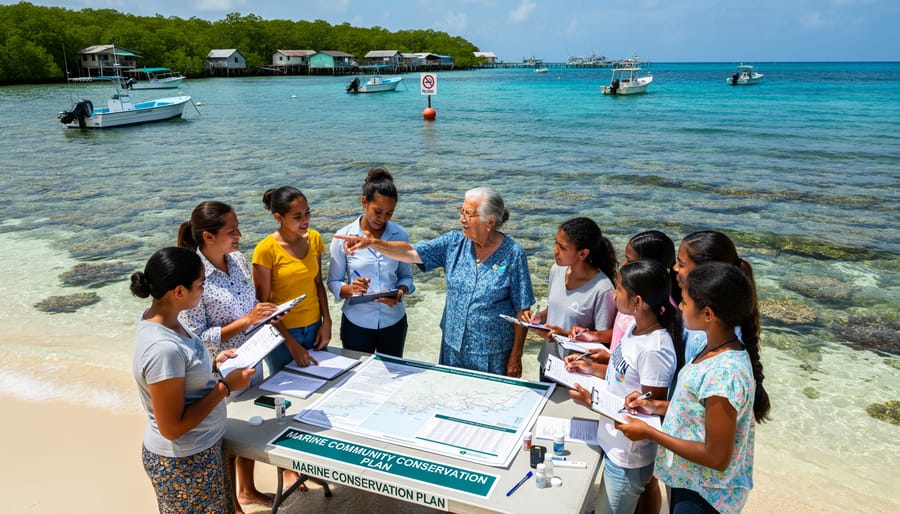
You can become part of the solution by taking meaningful steps toward gender-inclusive marine conservation. Start by supporting organizations that prioritize women’s leadership in ocean science and policy—your donations and advocacy amplify their reach. Share resources and research about gender equity in marine fields with your networks, helping to raise awareness about these critical issues.
Consider volunteering with conservation projects that actively promote diverse participation. Many programs welcome citizen scientists regardless of background, and your involvement demonstrates the value of inclusive approaches. If you’re an educator, integrate stories of women marine scientists into your curriculum, inspiring the next generation to see themselves in these roles.
Advocate for equitable policies in your workplace or institution. This might include supporting mentorship programs, pushing for transparent hiring practices, or ensuring fieldwork accommodations meet diverse needs. Challenge gender stereotypes when you encounter them, whether in conversations, media, or professional settings.
If you’re entering the field, seek out mentors and allies who champion inclusive practices. Your voice matters in shaping a more equitable future for ocean conservation, where diverse perspectives strengthen our collective ability to protect marine ecosystems for generations to come.
The path forward for marine conservation is clear: we must embrace gender-inclusive approaches that harness the full spectrum of human potential. Protecting our ocean’s extraordinary biodiversity isn’t simply about implementing scientific protocols or establishing marine protected areas—it’s about recognizing that half the world’s population has been systematically underrepresented in these critical efforts. Women bring invaluable traditional ecological knowledge, community connections, and innovative perspectives that strengthen conservation outcomes. Yet their contributions remain underutilized due to persistent barriers in education, leadership opportunities, and resource access.
The time for incremental change has passed. We need transformative action that actively recruits women into marine science programs, amplifies their voices in policy discussions, and ensures equitable funding for their research and conservation projects. Every individual has a role to play. Support organizations that prioritize gender equity in their marine programs. Mentor aspiring female marine biologists. Advocate for inclusive policies in your community. Challenge assumptions about who belongs in ocean conservation spaces.
Our oceans face unprecedented threats, and we cannot afford to sideline anyone’s talents. By working together—across genders, cultures, and disciplines—we can build a more effective, resilient, and just approach to protecting the marine ecosystems upon which all life depends.

jessica
Ava Singh is an environmental writer and marine sustainability advocate with a deep commitment to protecting the world's oceans and coastal communities. With a background in environmental policy and a passion for storytelling, Ava brings complex topics to life through clear, engaging content that educates and empowers readers. At the Marine Biodiversity & Sustainability Learning Center, Ava focuses on sharing impactful stories about community engagement, policy innovations, and conservation strategies. Her writing bridges the gap between science and the public, encouraging people to take part in preserving marine biodiversity. When she’s not writing, Ava collaborates with local initiatives to promote eco-conscious living and sustainable development, ensuring her work makes a difference both on the page and in the real world.